
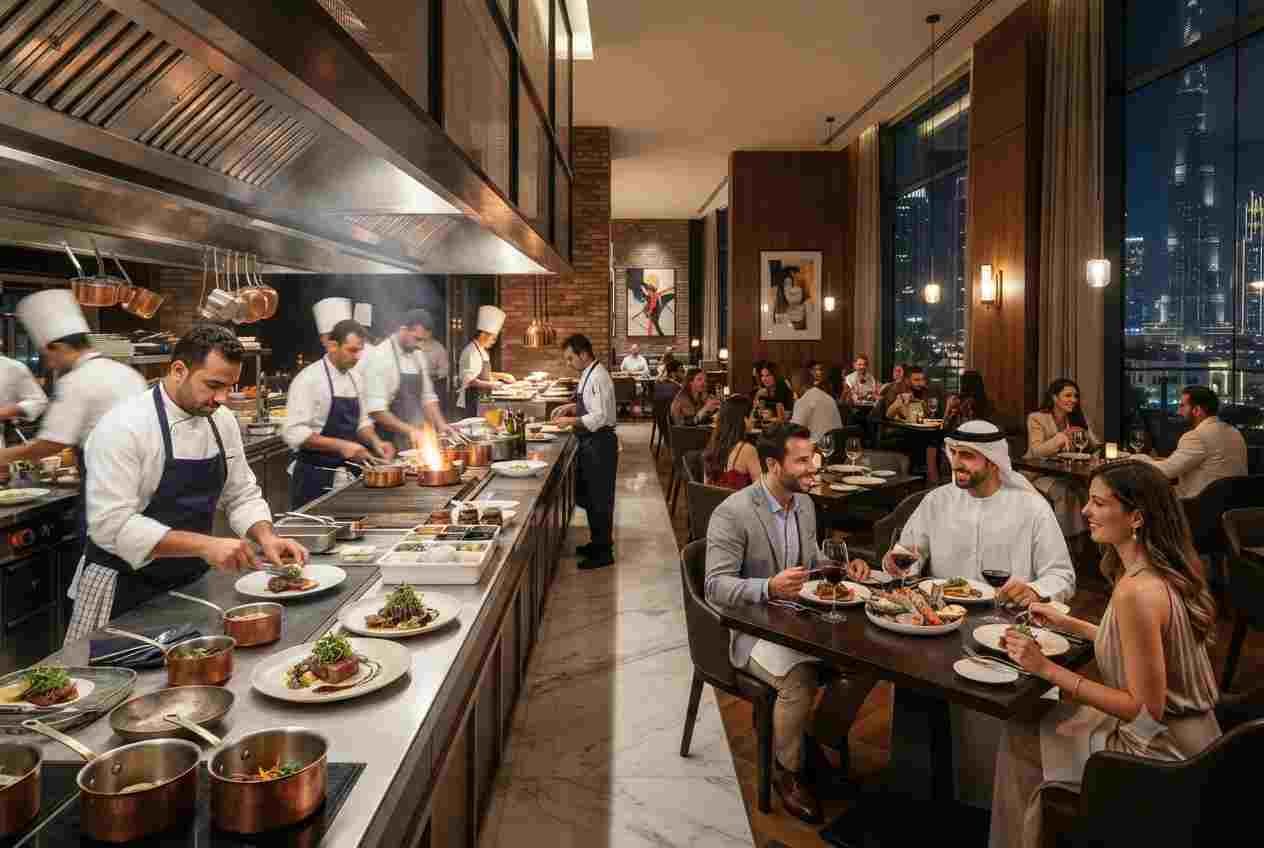
The UAE has become one of the most dynamic food and beverage markets in the region, creating exciting opportunities for entrepreneurs looking to start a restaurant. From fine dining concepts and casual eateries to cloud kitchens and specialty food brands, the market supports a wide range of business models.
However, success in the restaurant industry requires far more than a great menu. A detailed restaurant business plan helps entrepreneurs understand the market, control costs, manage operations, and create a sustainable path toward profitability.
This guide explores the essential components of building a successful restaurant startup in the UAE and explains how strategic planning can improve long-term business performance.
Why the UAE Is a Strong Market for Restaurants
The UAE’s diverse population, tourism industry, business activity, and growing hospitality sector continue to drive demand for quality dining experiences.
Several factors support restaurant industry growth:
- Large expatriate population
- Strong tourism activity
- Growing urban communities
- High consumer spending
- Increasing food delivery demand
- Expansion of mixed-use developments
These market conditions create opportunities for both independent operators and established restaurant brands.
What Is a Restaurant Business Plan?
A restaurant business plan is a strategic document that outlines how a restaurant will operate, generate revenue, manage costs, and achieve growth.
A comprehensive plan typically includes:
- Business concept
- Target audience
- Market analysis
- Menu strategy
- Location assessment
- Operational structure
- Marketing plan
- Financial projections
- Growth objectives
A strong business restaurant plan provides direction during launch and helps guide decisions as the company grows.
Choosing the Right Restaurant Concept
The concept forms the foundation of the entire business. Every operational and marketing decision should align with the restaurant’s identity and target market.
Fine Dining Restaurants
Fine dining establishments focus on premium experiences, high-quality ingredients, and elevated customer service.
Casual Dining Restaurants
Casual dining concepts balance affordability with a comfortable customer experience and broad market appeal.
Fast Casual Concepts
Fast casual restaurants emphasize speed, convenience, and quality while maintaining relatively efficient operations.
Cloud Kitchens
Delivery-focused operations reduce front-of-house costs and capitalize on the growing online food ordering market.
Conducting Market Research
Market research helps entrepreneurs understand customer preferences, local competition, and demand trends before investing significant capital.
Research should focus on:
- Target demographics
- Competitor analysis
- Customer spending habits
- Location traffic patterns
- Popular cuisine categories
- Market gaps
Accurate market data supports better planning and reduces operational risks.
Selecting the Right Location
Location can significantly influence restaurant performance. High visibility and accessibility often contribute to stronger customer traffic.
Important location considerations include:
- Foot traffic levels
- Parking availability
- Accessibility
- Nearby competitors
- Residential density
- Commercial activity
A strong location should align with the restaurant’s target audience and business model.
Licensing and Regulatory Requirements
Restaurant operators must comply with UAE licensing, food safety, and health regulations before opening to the public.
Entrepreneurs should review guidance provided by the UAE Government Portal and relevant local authorities.
Requirements may include:
- Commercial licensing
- Food establishment permits
- Municipality approvals
- Health inspections
- Food handling certifications
- Employee permits
Maintaining compliance protects customers and supports long-term operational stability.
Menu Development and Pricing Strategy
The menu directly affects customer satisfaction, profitability, and operational efficiency.
Effective menu planning should consider:
- Customer preferences
- Ingredient availability
- Food costs
- Preparation complexity
- Profit margins
- Brand positioning
A well-designed menu balances quality, consistency, and profitability.
Restaurant Management Best Practices
Strong restaurant management helps ensure smooth operations and a positive customer experience.
Key management responsibilities include:
- Staff supervision
- Inventory management
- Quality control
- Customer service oversight
- Scheduling and workforce planning
- Cost management
Efficient management systems can improve productivity and reduce unnecessary expenses.
Marketing a Restaurant Startup
Restaurant marketing should focus on visibility, reputation, and customer engagement.
Effective marketing channels include:
- Search engine optimization
- Social media marketing
- Food delivery platforms
- Email marketing
- Customer loyalty programs
- Local partnerships
- Influencer collaborations
Consistent marketing efforts help restaurants build awareness and encourage repeat visits.
Financial Planning for a Food Service Business
Financial discipline is critical in the restaurant industry. Entrepreneurs should carefully monitor both startup and operating expenses.
Common restaurant costs include:
- Rent
- Kitchen equipment
- Inventory
- Payroll
- Utilities
- Marketing expenses
- Maintenance costs
- Technology systems
Detailed financial planning improves cash flow management and supports sustainable growth.
Bookkeeping and Accounting Support
As operations become more complex, accurate financial records become increasingly important.
Many restaurant owners rely on bookkeeping services for small business to improve reporting accuracy, manage expenses, and gain better visibility into financial performance.
Reliable accounting data supports strategic decision-making and operational efficiency.
Funding Restaurant Growth
Expansion often requires additional capital for renovations, equipment upgrades, additional locations, or operational improvements.
Business owners may consider small business financing solutions to support growth while maintaining healthy cash flow.
The right funding strategy can accelerate expansion opportunities without compromising operational stability.
Learning from Related Food Businesses
Restaurant operators often gain valuable insights by studying related sectors within the food and beverage industry. For example, understanding a successful bakery business plan can provide lessons in inventory management, product consistency, customer retention, and operational efficiency.
Similarly, entrepreneurs exploring café concepts may benefit from understanding how a coffee business builds customer loyalty and recurring daily revenue.
Scaling a Restaurant Business
Once profitability is established, restaurants may explore growth opportunities such as:
- Additional locations
- Cloud kitchen expansion
- Franchise development
- Catering services
- Corporate partnerships
- Retail product lines
Expansion should be supported by strong operational systems, financial stability, and proven customer demand.
Important Takeaways
A well-developed restaurant business plan provides the structure needed to launch, manage, and grow a successful restaurant in the UAE. From market research and licensing to financial management and marketing, every aspect of the business contributes to long-term success.
Entrepreneurs who combine careful planning with strong restaurant management practices can build a profitable food service business that thrives in the UAE’s competitive hospitality sector.