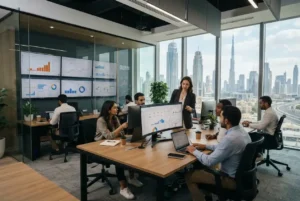
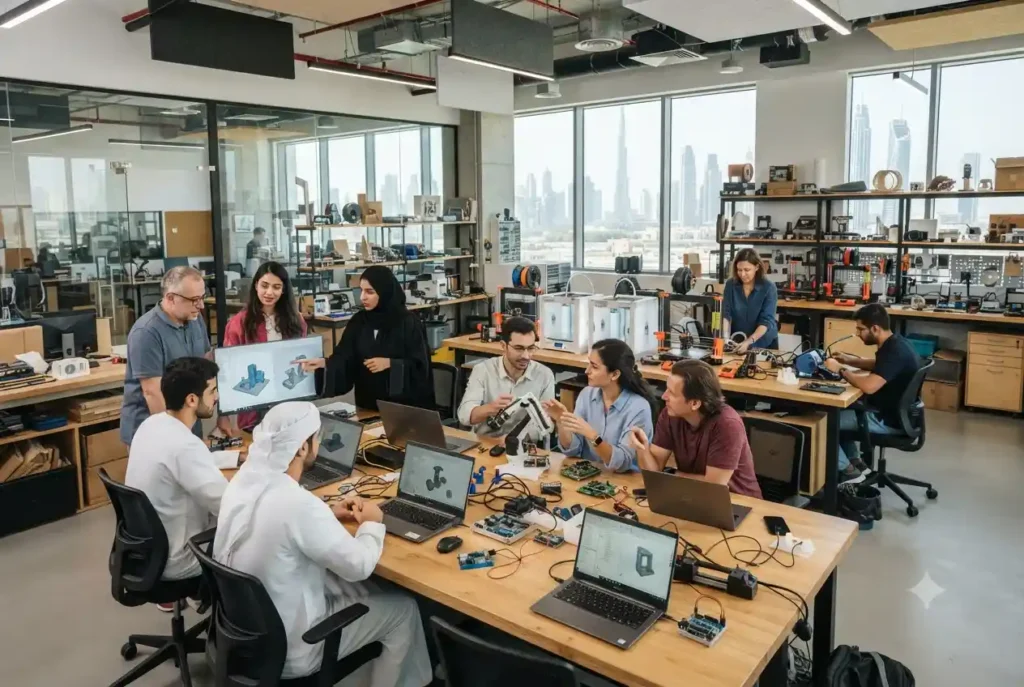
Design technology combines creativity, engineering, and digital innovation to develop practical solutions for real-world challenges. From product design and architecture to robotics and manufacturing, this multidisciplinary field encourages people to transform ideas into functional products and systems. As the UAE continues investing in smart cities, advanced industries, and technology-driven education, design technology has become increasingly important for students, professionals, and businesses alike.
Whether introduced in schools or applied in professional industries, design technology promotes critical thinking, creativity, collaboration, and technical skills that are valuable across multiple sectors.
What Is Design Technology?
Design technology is the process of designing, developing, and improving products, systems, or environments by combining creative thinking with scientific and engineering principles. It encourages individuals to identify problems, generate ideas, create prototypes, evaluate solutions, and refine designs based on user needs.
Unlike traditional design disciplines that focus mainly on aesthetics, design technology also emphasizes functionality, efficiency, sustainability, and usability.
Importance of Design Technology in the UAE
The UAE has become a regional leader in innovation, digital transformation, and infrastructure development. Government initiatives supporting artificial intelligence, smart manufacturing, renewable energy, and advanced education have increased the demand for professionals with design technology skills.
Students studying design technology develop practical abilities that prepare them for careers in engineering, architecture, industrial design, product development, and digital innovation.
Organizations also rely on digital infrastructure to support design collaboration. Many companies use cloud technology to manage design files, engineering data, and collaborative projects across multiple teams.
Design and Technology in Education
Design and technology is an important subject in many international schools across the UAE. It introduces students to creative problem-solving while teaching practical skills in designing, modeling, manufacturing, and evaluating products.
The subject encourages learners to:
- Develop innovative ideas
- Understand materials and manufacturing
- Use digital design software
- Improve critical thinking
- Build teamwork skills
- Apply engineering concepts
These skills prepare students for higher education and future careers in science, technology, engineering, and design.
Design and Technology Grade 5
Design and Technology Grade 5 introduces younger students to the design process through engaging classroom activities. At this level, students learn how to identify problems, generate ideas, build simple prototypes, and evaluate their work.
Typical Grade 5 topics include:
- Simple product design
- Basic engineering concepts
- Materials and their properties
- Creative thinking exercises
- Model construction
- Design evaluation
Hands-on learning helps students build confidence while developing practical and analytical skills.
Design and Technology Grade 5 UAE
Many international and private schools offer Design and Technology Grade 5 UAE as part of their curriculum. Lessons often align with internationally recognized educational frameworks while incorporating modern classroom technologies such as 3D printing, coding, robotics, and digital design software.
This early exposure helps students develop an innovative mindset and prepares them for more advanced STEM education.
Applications of Design Technology
Design technology is used across a wide range of industries where innovation and problem-solving are essential.
- Architecture
- Industrial design
- Product development
- Interior design
- Automotive engineering
- Robotics
- Construction
- Consumer electronics
- Medical equipment design
Professionals in these industries combine technical knowledge with creativity to improve products, processes, and user experiences.
Skills Developed Through Design Technology
Students and professionals gain a variety of transferable skills that remain valuable across different careers.
- Creative problem-solving
- Critical thinking
- Technical drawing
- Computer-aided design (CAD)
- Project planning
- Communication
- Research skills
- Team collaboration
These abilities help individuals adapt to rapidly changing technologies and workplace demands.
Career Opportunities
Design technology opens doors to careers across engineering, manufacturing, architecture, and digital industries. As businesses adopt more advanced technologies, employers continue seeking professionals who can combine creativity with technical expertise.
Popular career options include:
- Product Designer
- Industrial Designer
- Mechanical Engineer
- CAD Designer
- Architectural Technologist
- UX/UI Designer
- Manufacturing Engineer
- Innovation Consultant
- Project Engineer
Many of these professions also rely on secure web application technologies for project management, collaboration, and digital design workflows.
Future of Design Technology in the UAE
The UAE’s commitment to innovation, smart cities, and advanced manufacturing will continue driving demand for design technology professionals. Emerging technologies such as artificial intelligence, virtual reality, digital twins, robotics, and sustainable design are transforming how products and infrastructure are developed.
Educational institutions are also expanding STEM-focused programs to prepare students for the future workforce, making design technology an increasingly valuable area of study.
According to the UNESCO, technology education plays an important role in developing innovation, creativity, and sustainable development skills for future generations.
In Summary
Design technology equips students and professionals with the skills needed to solve complex problems through creativity and innovation. Whether learning the fundamentals in Design and Technology Grade 5, studying advanced engineering concepts, or applying digital tools in professional environments, this field supports continuous innovation across industries.
As the UAE continues investing in technology, education, and smart infrastructure, design technology will remain a key driver of future economic growth, product innovation, and sustainable development.