
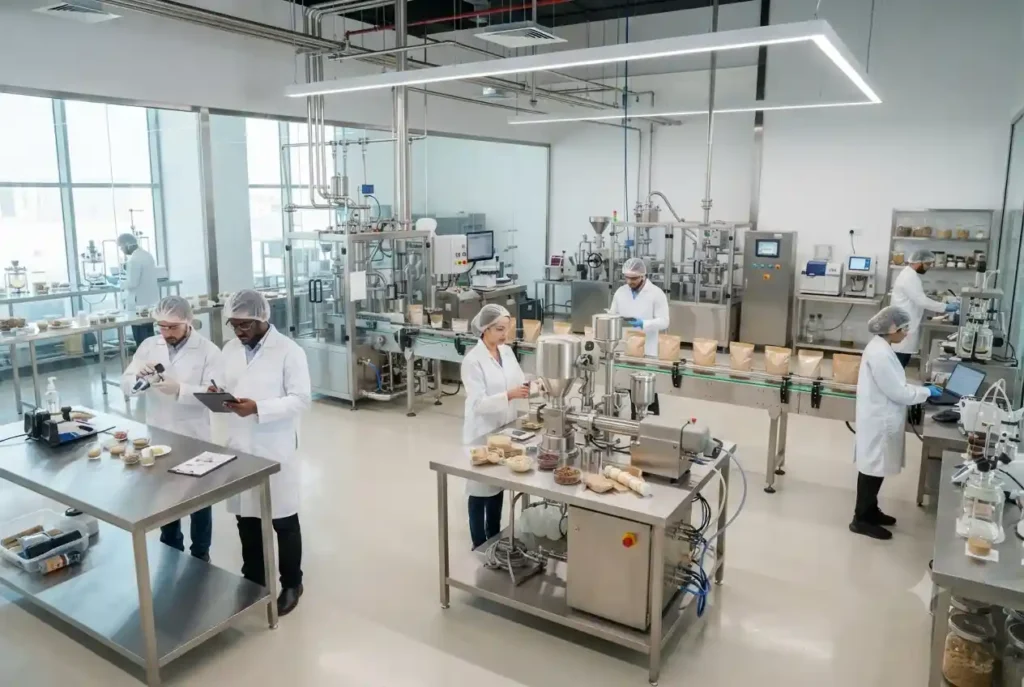
The global food industry is evolving rapidly, with innovation, safety, and sustainability becoming top priorities. A food technology course equips students with the scientific and technical knowledge needed to improve food production, processing, packaging, quality control, and distribution. As the UAE continues to expand its food manufacturing and food security initiatives, professionals with expertise in food technology are increasingly in demand.
Whether you’re a student planning your career or a professional looking to enter the food industry, understanding food technology can open doors to exciting opportunities across manufacturing, research, quality assurance, and product development.
What Is a Food Technology Course?
A food technology course combines food science, engineering, microbiology, chemistry, and nutrition to teach students how food is produced, preserved, tested, and distributed safely. The course focuses on maintaining quality while improving efficiency and meeting international food safety standards.
Students gain both theoretical knowledge and practical laboratory experience, preparing them for careers in food production and quality management.
Why Food Technology Is Important in the UAE
The UAE imports and produces a significant amount of food to meet the needs of its growing population. To strengthen food security and reduce waste, businesses continue investing in advanced food manufacturing technologies, automation, and quality assurance systems.
Food technology professionals help companies improve production efficiency, maintain hygiene standards, develop innovative products, and comply with local and international regulations.
Modern food production facilities also rely on digital infrastructure. Businesses implementing automation often use cloud technology to monitor production data and improve operational efficiency.
Subjects Covered in a Food Technology Course
A comprehensive food and technology course typically covers a wide range of scientific and technical subjects, including:
- Food Chemistry
- Food Microbiology
- Food Engineering
- Food Processing Techniques
- Food Preservation
- Nutrition Science
- Quality Assurance
- Food Packaging Technology
- Food Safety Management
- Supply Chain and Storage
These subjects prepare students to manage every stage of the food production process while ensuring safety and quality.
B Tech Food Technology
A B Tech Food Technology degree is one of the most popular academic pathways for students interested in food science and manufacturing. The program combines engineering principles with food science to develop professionals capable of designing efficient food production systems.
Students learn about processing equipment, automation, quality testing, product innovation, and industrial food manufacturing practices.
Graduates often work in food factories, research laboratories, government agencies, and multinational food companies.
Essential Skills for Food Technology Professionals
Success in food technology requires both technical expertise and problem-solving abilities. Employers value professionals who can maintain product quality while improving production efficiency.
- Analytical thinking
- Quality control expertise
- Knowledge of food safety regulations
- Laboratory testing skills
- Research and development
- Communication skills
- Attention to detail
- Project management
Continuous learning is also important because food regulations and manufacturing technologies continue to evolve.
Food Technology Jobs in UAE
The demand for food technology jobs in UAE continues to grow as food manufacturing, hospitality, retail, and logistics industries expand. Government initiatives focused on food security are also creating new employment opportunities for qualified professionals.
Common career options include:
- Food Technologist
- Quality Assurance Officer
- Food Safety Specialist
- Research and Development Executive
- Production Supervisor
- Food Microbiologist
- Quality Control Analyst
- Packaging Technologist
- Regulatory Affairs Specialist
Professionals may find opportunities with food manufacturers, beverage companies, hotels, catering businesses, supermarkets, government agencies, and international food brands operating across the UAE.
Technology Driving Modern Food Production
The food industry increasingly relies on advanced technologies to improve productivity and reduce waste. Automation, artificial intelligence, robotics, and smart sensors help manufacturers monitor production in real time while maintaining strict hygiene standards.
Digital traceability systems also allow companies to track ingredients throughout the supply chain, ensuring transparency and consumer safety.
Many manufacturers also use secure web application technologies to manage inventory, production schedules, and quality control documentation.
Future of Food Technology in the UAE
The UAE continues investing in sustainable agriculture, food innovation, and advanced manufacturing to strengthen national food security. Emerging technologies such as vertical farming, alternative proteins, precision fermentation, and smart packaging are expected to transform the industry over the coming years.
Professionals with expertise in food technology will play an important role in developing innovative products while helping businesses meet growing consumer expectations for quality, nutrition, and sustainability.
According to the Food and Agriculture Organization (FAO), innovation and technology are essential for building resilient and sustainable food systems worldwide.
Wrapping Up
A food technology course provides the knowledge and practical skills needed to build a successful career in one of the world’s fastest-growing industries. Whether you choose a food and technology course or pursue a B Tech Food Technology degree, the opportunities continue to expand as food production becomes more advanced and technology-driven.
With increasing demand for food technology jobs in UAE, graduates can look forward to rewarding careers that contribute to food safety, innovation, sustainability, and the future of the country’s food industry.