Alexandria Egypt tourism offers a distinctive mix of Mediterranean scenery, ancient history, cultural landmarks, museums, seafood, and everyday Egyptian city life. Founded in 331 BC by Alexander the Great, Alexandria developed into one of the ancient world’s major intellectual and cultural centers. Today, it remains one of Egypt’s most recognizable coastal destinations and offers a different experience from the country’s better-known inland attractions.
For travelers interested in history and culture, Alexandria provides an opportunity to explore Greek, Roman, Islamic, Christian, and modern Egyptian influences within one city. Its waterfront adds another dimension, with the Mediterranean shaping the city’s atmosphere, food culture, and sightseeing experience. The official Egyptian tourism authority describes Alexandria as a major metropolitan city on the Mediterranean with a cosmopolitan history and a wide range of cultural attractions.
Whether you are planning a dedicated city break or adding Alexandria to a wider Egypt itinerary, understanding its main attractions and travel style can help you make better use of your time.
Why Alexandria Is Worth Visiting
Alexandria stands out because its appeal is not limited to one historical period. Ancient archaeological sites sit alongside religious landmarks, museums, modern cultural institutions, gardens, restaurants, and a long Mediterranean waterfront.
The city is particularly appealing to travelers who prefer destinations where sightseeing can be combined with relaxed exploration. A morning might include an archaeological site, an afternoon at a museum or library, and an evening beside the sea.
Its historic identity is also unusually diverse. Alexandria’s heritage includes Greek and Roman influences as well as Islamic, Coptic, Jewish, and modern Mediterranean cultural traditions. This layered history is visible in its architecture, neighborhoods, museums, and religious sites.
Best Places to Visit in Alexandria
Bibliotheca Alexandrina
The Bibliotheca Alexandrina is one of Alexandria’s most important modern landmarks. It was designed as a contemporary successor to the ancient Library of Alexandria and has become a major cultural and educational complex.
The complex includes the main library, specialized libraries, museums, a planetarium, research centers, exhibitions, and spaces for cultural events. Its distinctive architecture also makes it one of the city’s most recognizable attractions.
Visitors interested in history, architecture, literature, science, or contemporary Egyptian culture can find several reasons to include the Bibliotheca Alexandrina in their itinerary. It is especially useful for travelers looking to understand how modern Alexandria connects with its ancient intellectual heritage.
Citadel of Qaitbay
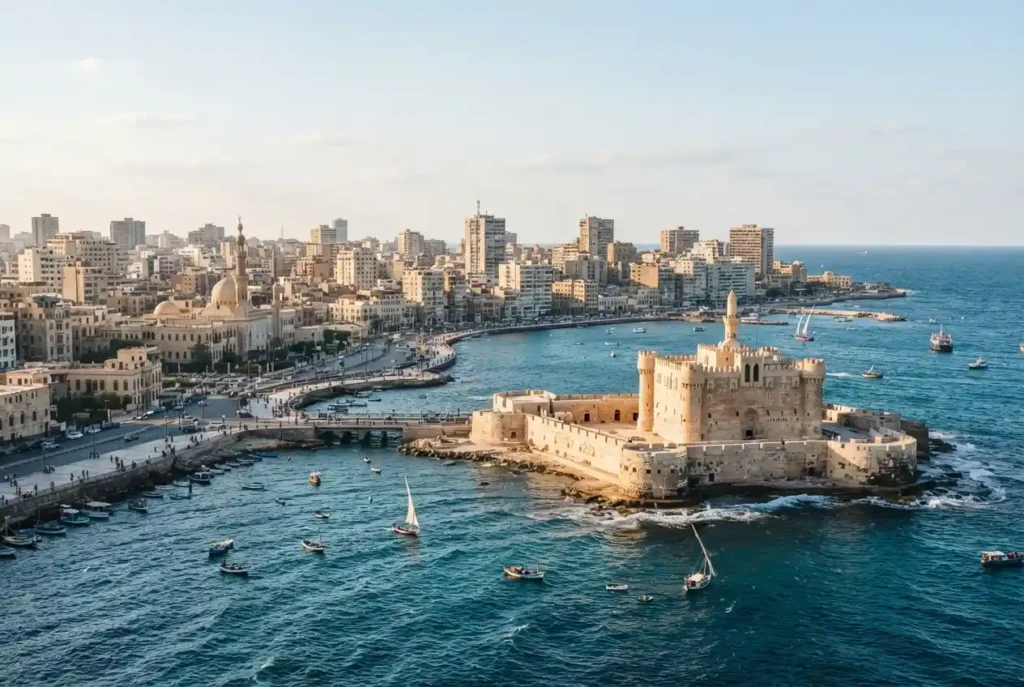
The Citadel of Qaitbay is among Alexandria’s most recognizable historic attractions. The 15th-century fortress stands beside the Mediterranean and was constructed on the site associated with the ancient Lighthouse of Alexandria.
Beyond its historical importance, the location makes the citadel appealing to visitors who enjoy coastal scenery. The combination of stone architecture, sea views, and the city’s maritime setting creates one of Alexandria’s strongest sightseeing experiences.
The Egyptian tourism authority identifies the citadel as an important defensive fortress along the Mediterranean and notes its connection with the former location of the legendary lighthouse.
Kom al-Dikka
Kom al-Dikka provides an opportunity to explore Alexandria’s Roman-era heritage. The archaeological area contains a remarkably preserved Roman theater along with public baths, lecture halls, and the remains of the Villa of Birds, known for its decorative mosaics.
The site helps demonstrate that ancient Alexandria was more than a center of politics and trade. It was also a place of public entertainment, learning, residential life, and cultural exchange.
Royal Jewelry Museum
Travelers interested in Egypt’s more recent royal history can visit the Royal Jewelry Museum. The museum is housed in an ornate historic villa and displays objects associated with Egypt’s former royal family.
Its collections provide a different perspective on Alexandria, moving beyond ancient history into the country’s modern royal period. The setting itself adds to the experience, making the museum worth considering alongside the city’s archaeological attractions.
Montazah Gardens
Montazah Gardens offer a change of pace from museums and archaeological sites. The expansive gardens were historically associated with Egypt’s royal family and combine landscaped grounds with coastal scenery.
The area is well suited to travelers who want a slower part of their Alexandria itinerary. Walking through the gardens, enjoying the seaside atmosphere, and taking a break from intensive sightseeing can make the visit more balanced.
Explore Alexandria’s Ancient Heritage
Alexandria’s archaeological heritage extends beyond the major landmarks. Visitors can explore sites connected with the Ptolemaic and Roman periods, including the Al-Anfoushi Tombs and other remains that reveal how different cultures influenced the city over centuries.
The city’s ancient heritage is particularly interesting because Greek, Egyptian, and Roman traditions interacted here. That cultural blending can be seen in funerary architecture, sculptures, religious remains, mosaics, and urban archaeological discoveries.
Travelers who want a deeper historical experience should allow enough time to visit more than one archaeological attraction rather than treating Alexandria as a quick waterfront stop.
Alexandria’s Religious and Cultural Heritage
Alexandria’s long history has produced a diverse religious landscape. Mosques, churches, and synagogues form part of the city’s broader cultural story, reflecting the different communities and traditions that have shaped Alexandria.
Abu al-Abbas al-Mursi Mosque is one of the city’s best-known Islamic landmarks. Its prominent domes and architectural details make it an important stop for visitors exploring the Al-Anfoushi area.
Saint Mark’s Coptic Orthodox Cathedral and other historic religious sites also contribute to Alexandria’s multicultural identity. Visitors should approach religious landmarks respectfully, particularly when services or religious activities are taking place.
Alexandria Food and Seafood Experience
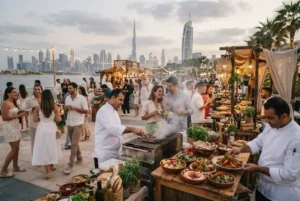
Food is an important part of Alexandria’s tourism experience, particularly for travelers who enjoy seafood. The city’s location on the Mediterranean has helped establish a strong seafood culture, with restaurants found across different neighborhoods.
Bahary is one area associated with Alexandria’s maritime character and seafood dining. Trying locally prepared fish and other seafood dishes can add an authentic culinary dimension to a sightseeing itinerary.
Travelers should also explore local cafés and traditional Egyptian food rather than limiting their meals to restaurants designed primarily for tourists. Eating in different parts of the city can reveal another side of Alexandria’s everyday culture.
How to Plan an Alexandria Tourism Itinerary
A practical Alexandria itinerary should balance historical attractions with time along the waterfront. Trying to visit every museum and archaeological site in a single day can make the experience rushed.
For a short visit, travelers can prioritize the Citadel of Qaitbay, Bibliotheca Alexandrina, a major archaeological attraction, and Montazah Gardens. If more time is available, additional museums, religious landmarks, neighborhoods, and cultural sites can be added.
Those building a wider Egypt trip may also consider Alexandria as a complementary destination to Cairo and other major tourist areas. The contrast between the Mediterranean coastal environment and inland historical destinations makes the overall journey more varied.
Best Time to Experience Alexandria
Alexandria has a Mediterranean coastal setting, so weather can influence how comfortable outdoor sightseeing feels. Travelers who want to spend considerable time walking along the waterfront or exploring gardens may prefer periods with milder temperatures.
Regardless of season, it is sensible to check current attraction opening times, ticket arrangements, and event schedules before visiting. Individual attractions can have different operating arrangements, and special events may affect access.
For broader planning, travelers can also review the latest destination guidance from the official Egyptian tourism authority’s Alexandria travel guide before finalizing an itinerary.
Practical Tips for Travelers
Comfortable walking shoes are useful because many Alexandria experiences involve moving between museums, archaeological areas, streets, and waterfront locations. Carrying water and allowing time for breaks can also make a sightseeing day more comfortable.
Visitors should keep some flexibility in their schedules. Alexandria is a living city rather than an open-air historical site, so traffic, local activity, weather, and attraction schedules can affect the pace of a day.
It is also worth researching transportation between attractions before setting out. A route that looks short on a map may take longer depending on traffic and the time of day.
Alexandria for Travelers Interested in Tourism
Alexandria demonstrates why tourism is broader than visiting famous landmarks. Its appeal comes from the combination of heritage, hospitality, food, architecture, museums, coastal scenery, and local life.
For readers researching the wider tourism landscape, Alexandria is a useful example of how historic destinations can combine cultural attractions with modern visitor experiences.
Is Alexandria Worth Adding to an Egypt Trip?
For travelers who enjoy history, culture, architecture, museums, and coastal destinations, Alexandria is certainly worth considering. The city offers a different atmosphere from Egypt’s major inland destinations and provides an unusually rich combination of ancient and modern experiences.
The strongest reason to visit is the variety. The Citadel of Qaitbay connects the city with its medieval maritime history, the Bibliotheca Alexandrina represents its modern intellectual identity, archaeological sites reveal its Greco-Roman past, and Montazah provides a more relaxed coastal experience.
With thoughtful planning, Alexandria can therefore be much more than a brief excursion. It can become an important part of an Egypt itinerary and a destination where history, culture, food, and Mediterranean life come together.
Final Overview
Alexandria Egypt tourism offers travelers a compelling combination of ancient heritage, modern culture, Mediterranean scenery, museums, historic architecture, and local food. From the Citadel of Qaitbay and Bibliotheca Alexandrina to archaeological sites and Montazah Gardens, the city provides enough variety for different types of travelers.
Rather than rushing through the major attractions, give Alexandria time to reveal its character. A balanced itinerary that combines history with waterfront walks, cultural visits, and local dining can provide a more rewarding experience of this historic Egyptian city.