Tourism is one of the world’s most interconnected industries, bringing together travelers, destinations, hotels, airlines, restaurants, attractions, travel companies, event organizers, transportation providers, and many other businesses. While tourism is often associated with holidays and sightseeing, the modern tourism economy is much broader. It includes leisure travel, business trips, cultural experiences, events, wellness, adventure, hospitality, destination marketing, and technology-driven visitor experiences.
For destinations, tourism can support employment, business activity, investment, infrastructure development, cultural exchange, and international visibility. For travelers, it creates opportunities to discover new places, experience different cultures, enjoy recreation, attend events, and build memorable experiences.
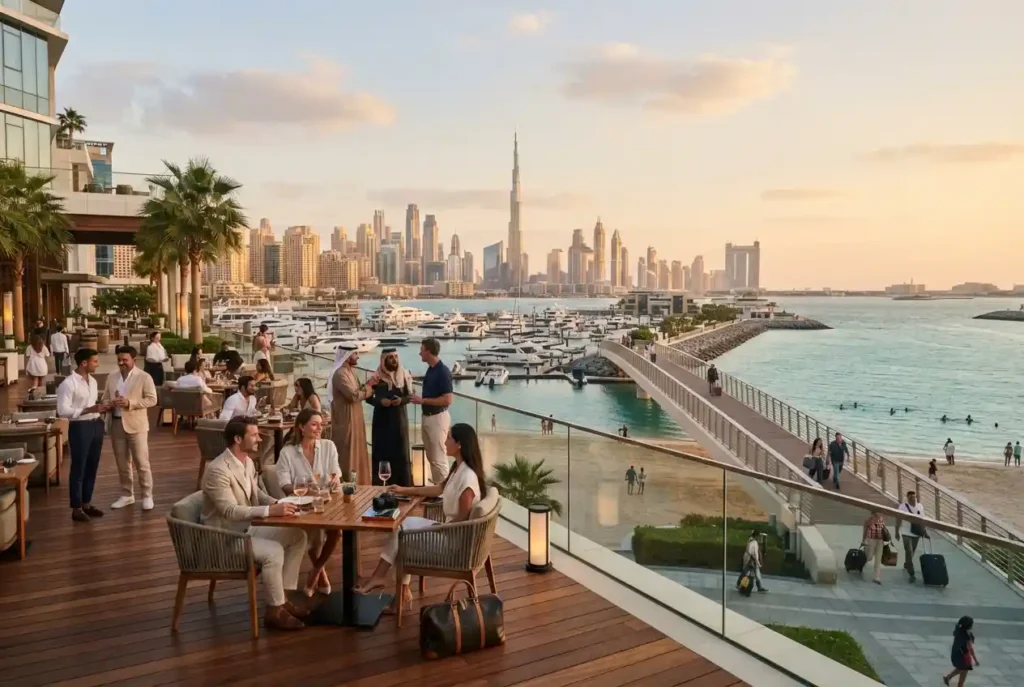
The UAE provides a strong example of how a modern tourism ecosystem can develop around different visitor needs. Dubai and Abu Dhabi attract international leisure and business travelers, while Sharjah, Ras Al Khaimah, Fujairah, Ajman, and Umm Al Quwain offer their own combinations of heritage, beaches, nature, adventure, hospitality, and cultural experiences.
Understanding tourism as an industry rather than simply a holiday activity helps explain how destinations operate, why travelers choose particular places, and how businesses create products and services for visitors.
What Is Tourism?
Tourism generally involves people traveling away from their usual environment for a temporary period for purposes such as leisure, business, recreation, culture, visiting friends and relatives, or other activities.
Tourism is therefore more than simply moving from one place to another. It includes the experiences and services associated with a temporary visit. A traveler may use an airline, airport, taxi, hotel, restaurant, attraction, tour operator, shopping destination, and entertainment venue during one journey.
These separate services become connected through the visitor experience. If transportation is convenient, accommodation is comfortable, attractions are accessible, and information is clear, the destination can provide a more satisfying overall journey.
Travel and Tourism: What Is the Difference?
Travel and tourism are closely related but are not identical concepts. Travel describes movement from one location to another, while tourism generally refers to temporary visits and the activities and services associated with those visits.
People may travel for relocation, education, employment, or other long-term purposes without necessarily being tourists. Tourism is more closely associated with temporary visitation and the economic, cultural, and recreational activities generated by visitors.
In everyday language, however, travel and tourism are frequently used together because transportation is an essential part of most tourism experiences.
Why Tourism Is Important
Tourism can have an impact far beyond hotels and attractions. When visitors arrive at a destination, they often spend money across multiple sectors, including accommodation, restaurants, transportation, retail, entertainment, attractions, events, and local services.
This creates a network effect. A successful attraction can generate demand for nearby restaurants. A major event can increase hotel occupancy. Improved transportation can make additional destinations accessible. A strong tourism brand can encourage investment in new hotels and visitor experiences.
Tourism can also create opportunities for small businesses and local entrepreneurs. Tour guides, restaurants, craft businesses, transport providers, activity operators, photographers, event companies, and other service providers can all participate in the visitor economy.
The Main Sectors of the Tourism Industry
The tourism industry consists of numerous interconnected sectors. Visitors often use several of them during a single trip.
Transportation
Airlines, airports, railways, buses, taxis, rental-car companies, cruise operators, and other transportation providers help visitors reach destinations and move between attractions.
Transportation can strongly influence destination competitiveness. Convenient connections can encourage visitors to explore more places, while complicated or expensive transport can create barriers.
Accommodation
Hotels, resorts, serviced apartments, guesthouses, holiday homes, and other accommodation providers form another major part of tourism.
Accommodation is not simply a place to sleep. Location, service quality, facilities, restaurants, recreation, business services, technology, and guest support can all influence the traveler’s perception of a destination.
Food and Beverage
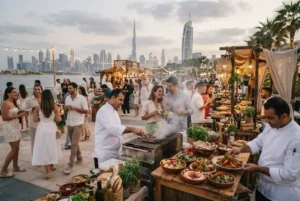
Restaurants, cafés, food markets, catering companies, and other dining businesses contribute significantly to tourism. Local cuisine can even become one of the reasons people choose a particular destination.
Food tourism has grown alongside travelers’ interest in authentic local experiences. Exploring regional dishes, traditional markets, restaurants, and culinary events can provide visitors with a deeper understanding of local culture.
Attractions and Entertainment
Museums, heritage sites, beaches, theme parks, cultural venues, shopping destinations, sporting events, entertainment facilities, natural landscapes, and adventure activities give people reasons to visit a destination.
Destinations with a diverse attraction mix can appeal to different visitor segments, including families, business travelers, luxury tourists, adventure seekers, and cultural travelers.
Travel Agencies and Tour Operators
Travel agencies and tour operators can simplify trip planning by arranging accommodation, transportation, excursions, guides, packages, and other travel services.
Professional travel providers can be particularly useful for complex itineraries, group travel, specialized experiences, and travelers who prefer assistance rather than organizing every component independently.
Types of Tourism
Tourism can be divided into many categories based on the purpose of travel and the type of experience visitors seek.
Leisure Tourism
Leisure tourism includes holidays, sightseeing, relaxation, recreation, shopping, entertainment, and other activities undertaken primarily for enjoyment.
Beach holidays, city breaks, family vacations, resort stays, and sightseeing trips are common examples.
Business Tourism
Business tourism includes conferences, exhibitions, corporate meetings, incentive travel, trade shows, and professional gatherings.
Business visitors can generate demand for hotels, restaurants, meeting facilities, transportation, event services, and other tourism businesses.
Cultural Tourism
Cultural tourism focuses on heritage, architecture, museums, traditions, food, arts, historical sites, and local communities.
It can encourage destinations to preserve important cultural resources while creating economic opportunities around heritage and cultural experiences.
Adventure Tourism
Adventure tourism can include hiking, mountain activities, water sports, diving, desert experiences, climbing, cycling, and other outdoor activities.
The UAE has expanded its adventure offering through desert, mountain, and coastal experiences, providing alternatives to traditional city sightseeing.
Wellness Tourism
Wellness tourism includes travel associated with spas, fitness, relaxation, retreats, nutrition, mindfulness, and other health-oriented experiences.
Luxury hotels and resorts increasingly incorporate wellness facilities and experiences into their tourism offerings.
Sustainable Tourism
Sustainable tourism aims to balance visitor activity with environmental protection, community interests, cultural preservation, and long-term economic value.
It can involve responsible resource use, waste reduction, energy efficiency, local employment, heritage protection, and better management of visitor flows.
Tourism in the UAE
The UAE has developed a diverse tourism economy built around leisure, hospitality, business travel, shopping, entertainment, culture, events, adventure, and luxury experiences.
Dubai is particularly prominent as an international tourism and business destination. Its attractions include major shopping destinations, hotels and resorts, entertainment venues, cultural experiences, beaches, restaurants, and large-scale events.
Abu Dhabi offers a different combination of experiences, including cultural attractions, museums, beaches, resorts, business events, entertainment venues, and heritage destinations.
Other emirates contribute to the national tourism offering through different experiences. Sharjah has a strong cultural and heritage identity, Ras Al Khaimah has developed mountain and adventure tourism, Fujairah offers coastal and mountain environments, while Ajman and Umm Al Quwain provide additional leisure and coastal experiences.
This geographical diversity allows the UAE to serve different tourism segments instead of depending on a single type of visitor.
Tourism Management
Tourism management involves planning, organizing, operating, marketing, and evaluating tourism businesses and destinations. It combines commercial, operational, environmental, social, and customer-experience considerations.
A tourism manager may work for a hotel, resort, destination-management company, travel agency, attraction, tourism authority, event organization, airline, or another tourism-related business.
Effective tourism management requires an understanding of visitor demand as well as the resources needed to serve travelers efficiently. Managers need to consider staffing, finances, technology, marketing, customer service, transportation, sustainability, and changing market conditions.
People interested in this professional field can explore hospitality and tourism management to understand relevant education, skills, and career pathways.
Tourism Marketing
Even an attractive destination needs effective communication. Tourism marketing helps potential visitors discover destinations, understand available experiences, compare options, and decide whether to travel.
Modern tourism marketing includes websites, search engines, social media, online video, advertising, public relations, content marketing, influencer partnerships, travel-industry events, and destination campaigns.
Marketing has also become more personalized. A family traveler may respond to information about attractions and convenient accommodation, while a business visitor may be more interested in conferences, transportation, and meeting facilities.
For Dubai, tourism marketing has played an important role in communicating the emirate’s attractions and positioning it as a global visitor destination. The evolution of this work can be explored through the history of the Department of Tourism and Commerce Marketing.
Technology and Modern Tourism
Technology has transformed nearly every stage of the visitor journey. Travelers can research destinations, compare hotels, reserve experiences, purchase tickets, navigate cities, communicate with tourism businesses, and share experiences using mobile devices.
Artificial intelligence is creating additional possibilities for personalized recommendations, itinerary planning, customer service, demand forecasting, and tourism analytics.
Augmented reality can add digital information to physical destinations, while virtual experiences can help prospective visitors explore attractions before traveling.
Dubai has increasingly incorporated technology into its tourism ecosystem. The development of smart tourism Dubai demonstrates how digital tools can improve planning, navigation, hospitality, personalization, and destination management.
Sustainable Tourism and Responsible Travel
Tourism growth can generate substantial economic opportunities, but destinations also need to manage environmental and social impacts. High visitor numbers can place pressure on water, energy, transportation, waste systems, natural environments, and heritage sites.
Sustainable tourism seeks to reduce these pressures while preserving the resources that attract visitors.
Hotels can improve efficiency by reducing unnecessary energy and water consumption. Restaurants can reduce food waste. Attractions can manage visitor flows. Tourism authorities can protect sensitive environments and cultural sites.
Travelers also have a role. Respecting local customs, avoiding unnecessary waste, supporting local businesses, protecting natural environments, and following destination guidelines can contribute to more responsible travel.
Tourism and Local Communities
A successful tourism strategy should create value for local communities as well as visitors and businesses.
Tourism can provide employment, support local entrepreneurs, increase demand for locally produced goods, and encourage investment in infrastructure. Cultural tourism can also create incentives to preserve traditions, historic buildings, crafts, and other heritage resources.
However, poorly managed tourism can create challenges. Overcrowding, environmental pressure, increased costs, and commercialization of cultural resources can affect residents if tourism growth is not properly planned.
Destination managers therefore need to balance visitor demand with community needs and long-term quality of life.
Tourism Careers
The tourism industry offers a wide variety of career paths. People can work in hotel operations, reservations, travel agencies, tour operations, destination management, tourism marketing, sales, event management, food and beverage, aviation, attractions, customer service, and business development.
Communication and customer-service skills are valuable across many tourism roles. Languages can also be useful because tourism professionals frequently work with international visitors.
Digital skills are becoming increasingly important as tourism businesses rely on booking systems, customer relationship management, digital marketing, analytics, mobile applications, and online communication.
Leadership, financial knowledge, sales ability, problem-solving, and operational management can help professionals progress toward senior positions.
Tourism Education
Students interested in tourism can choose from different educational pathways, including certificates, diplomas, undergraduate degrees, postgraduate programs, and professional training.
Course content varies, but common subjects include tourism operations, hospitality management, marketing, destination management, event management, finance, customer experience, sustainability, human resources, and tourism planning.
Practical experience can be especially valuable. Internships, industry projects, part-time hospitality work, and other forms of workplace exposure can help students understand how tourism operates beyond the classroom.
The Role of Tourism Organizations
Tourism authorities and destination organizations help coordinate tourism development. Their responsibilities can include destination promotion, industry regulation, visitor information, tourism strategy, events, research, and partnerships with private-sector businesses.
Organizations such as hotel groups, travel companies, airlines, attractions, restaurants, and tour operators then deliver many of the services that visitors actually experience.
This relationship between public authorities and private businesses is essential because no single organization can manage an entire destination’s tourism ecosystem independently.
Challenges Facing the Tourism Industry
Tourism is a dynamic industry and faces a range of challenges. Economic conditions can influence travel demand, while geopolitical events, transportation disruptions, climate conditions, changing consumer behavior, and unexpected global events can affect visitor numbers.
Technology also creates challenges around privacy, cybersecurity, digital inclusion, and employee adaptation. Tourism companies need to adopt useful technology without compromising customer trust.
Sustainability is another major consideration. Destinations need to determine how tourism can grow while protecting natural resources, cultural heritage, infrastructure, and local communities.
Changing Traveler Expectations
Travelers increasingly expect convenience, personalization, transparency, and flexibility. Mobile booking, digital payments, online reviews, instant communication, personalized recommendations, and contactless services have changed expectations across the tourism industry.
At the same time, travelers continue to value human interaction. Local recommendations, knowledgeable guides, helpful hotel staff, and personal assistance remain important parts of a quality visitor experience.
The future of tourism will therefore likely involve a combination of advanced technology and strong human service.
The Future of Tourism
The tourism industry is likely to become increasingly digital, personalized, connected, and sustainability-focused.
Artificial intelligence may help travelers create itineraries based on interests, budget, location, and available time. Smart hotels may automate routine processes while giving guests greater control over their stays. Augmented and virtual reality may change how destinations are marketed and experienced.
Sustainable tourism is also likely to become more important as travelers, businesses, and governments pay greater attention to environmental impact and resource efficiency.
Another important trend is experiential travel. Visitors increasingly want activities that feel meaningful rather than simply checking famous landmarks off a list. Local food, culture, wellness, nature, adventure, and community experiences can all contribute to this shift.
How Businesses Can Adapt to Tourism Trends
Tourism businesses need to understand their customers and continually evaluate their services. A hotel, travel agency, attraction, or tour operator cannot rely indefinitely on the same products and marketing methods.
Businesses can adapt by improving digital booking experiences, collecting customer feedback, developing personalized offers, investing in employee training, adopting useful technology, and integrating sustainable practices.
They should also monitor changes in travel behavior. The preferences of business travelers, families, younger travelers, luxury tourists, and adventure seekers can differ substantially.
How Travelers Can Make Better Tourism Choices
Travelers influence the tourism industry through the businesses and destinations they choose to support.
Before booking, travelers should compare accommodation, transportation, tour operators, cancellation policies, reviews, and package inclusions. Important claims should be verified through official or trustworthy sources, especially when dealing with international travel requirements.
Responsible travelers can also support local businesses, respect cultural practices, protect natural areas, and avoid activities that cause unnecessary environmental or community harm.
Tourism and the UAE’s Future
The UAE’s tourism sector is positioned around a combination of international connectivity, hospitality infrastructure, major attractions, business events, cultural development, entertainment, and increasingly technology-enabled visitor experiences.
The country’s different emirates provide opportunities to develop varied tourism products rather than relying on one destination model.
Future growth will depend on maintaining service quality while adapting to new traveler expectations. Digital innovation, sustainable development, accessibility, destination diversification, and skilled tourism professionals are likely to remain important.
Why Tourism Remains Important
Tourism connects people, businesses, and destinations across borders. It can support employment, encourage cultural exchange, create opportunities for businesses, and provide economic incentives to preserve attractions and heritage.
At the same time, tourism works best when growth is responsibly managed. Destinations need strategies that protect their resources, support residents, maintain service quality, and adapt to changing visitor expectations.
The strongest tourism destinations are therefore likely to be those that combine compelling experiences with effective management, innovation, accessibility, sustainability, and reliable visitor services.
Closing Summary
Tourism is much more than traveling to another place for a holiday. It is a complex industry connecting transportation, accommodation, food, attractions, events, technology, marketing, hospitality, and destination management.
For travelers, understanding this wider system can make it easier to plan better trips and choose tourism services carefully. For businesses and professionals, it highlights the wide range of opportunities available across the visitor economy.
The UAE demonstrates how tourism can develop into a diverse and technology-enabled sector. From hospitality and destination marketing to smart tourism and sustainable travel, the industry continues to evolve as travelers seek more convenient, personalized, meaningful, and responsible experiences.
As destinations around the world compete for visitors, the future of tourism will depend not only on attracting travelers but also on creating experiences that deliver lasting value for visitors, businesses, communities, and destinations themselves.