
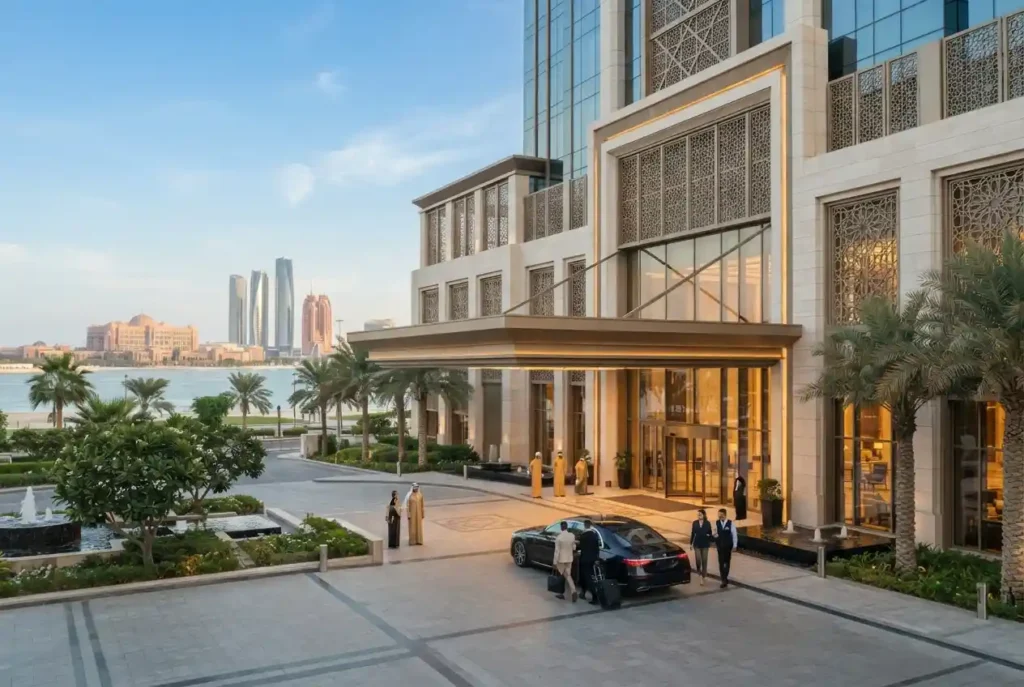
The National Corporation for Tourism and Hotels, commonly known as NCTH, is an important name in the UAE’s hospitality and tourism sector. Established in 1994, the Abu Dhabi-based company operates across hotel management, catering, and related hospitality activities. Its development reflects the broader growth of the UAE as an international destination for business, leisure, events, and tourism.
For people researching the National Corporation for Tourism & Hotels, it is useful to understand that the organization is more than a conventional hotel operator. Its activities connect accommodation, food services, hospitality operations, and tourism-related infrastructure, making it part of the wider ecosystem that supports visitors and businesses across the UAE.
This article examines NCTH’s role, business activities, hospitality operations, relationship with the UAE tourism sector, and why organizations of this type matter to the country’s visitor economy.
What Is the National Corporation for Tourism and Hotels?
The National Corporation for Tourism and Hotels is a UAE hospitality company headquartered in Abu Dhabi. The organization was established to participate in the development and operation of tourism and hospitality assets and has since expanded its activities across several areas of the hospitality industry.
Its business model demonstrates how tourism development involves more than attracting visitors. Hotels require food and beverage operations, catering, trained employees, facilities management, guest services, commercial partnerships, and reliable day-to-day operations.
As a result, companies operating across multiple hospitality functions can contribute to the wider tourism infrastructure that allows destinations to serve both domestic and international visitors.
Why NCTH Matters to UAE Tourism
The UAE has positioned tourism as an important part of its economic development. Abu Dhabi, Dubai, Ras Al Khaimah, Sharjah, Fujairah, and other emirates offer different combinations of attractions, hotels, business facilities, cultural experiences, beaches, and entertainment.
Hospitality companies are essential to converting tourism demand into an actual visitor experience. A destination may have major attractions, but visitors also need accommodation, restaurants, catering, transportation, and professional service.
NCTH represents one part of this broader hospitality infrastructure. Its activities illustrate how hotel and catering businesses support the practical requirements of a growing tourism economy.
Hotel Operations and Management
Hotel management is one of the most visible areas associated with tourism and hospitality. A hotel requires coordinated operations across front-office services, housekeeping, food and beverage, maintenance, security, sales, reservations, finance, and guest relations.
Effective hotel management is therefore a complex process. Guests may only see the final experience, but hundreds of operational decisions can influence whether a property functions efficiently.
For a hospitality group such as NCTH, managing accommodation assets involves maintaining service standards while also responding to market demand, changing customer expectations, seasonal patterns, and the competitive environment.
Hospitality Services Beyond Hotels
The connection between tourism and hospitality extends beyond hotel rooms. Food and beverage services, catering, events, institutional hospitality, and other related activities can all form part of a hospitality company’s operations.
Catering is particularly important in a market such as the UAE, where conferences, exhibitions, corporate functions, government events, weddings, sporting activities, and large-scale gatherings generate significant demand for professional food services.
This broader approach allows hospitality companies to serve customers who may never stay overnight in a hotel but still require professionally managed hospitality services.
National Corporation for Tourism & Hotels and the UAE Hotel Market
The UAE hotel market has become highly competitive. International hotel groups, regional operators, independent properties, serviced apartments, resorts, and boutique hotels compete for different segments of visitors.
In this environment, local hospitality companies have an important role because they understand the UAE market and its business environment while operating within the country’s tourism ecosystem.
Hotel operators must respond to changing visitor preferences, including demand for convenient locations, quality dining, wellness experiences, family facilities, business services, sustainability initiatives, and digitally supported guest experiences.
The Importance of Food and Beverage Operations
Food and beverage services are central to hospitality. Restaurants, cafés, banquet operations, room service, event catering, and institutional food services can all influence the overall customer experience.
For hotels, food and beverage can also represent an important commercial activity. Guests may choose accommodation partly because of its restaurants, breakfast offering, conference catering, or event facilities.
Professional food-service management requires careful attention to food safety, procurement, staffing, quality control, menu planning, cost management, and customer expectations.
NCTH and Professional Hospitality Standards
Modern hospitality businesses need consistent standards across every customer touchpoint. Guests expect reservations to be accurate, rooms to be prepared properly, employees to communicate professionally, and food services to meet appropriate quality and safety expectations.
Consistency becomes even more important for companies operating multiple properties or hospitality businesses. A strong operational framework can help employees understand service expectations and respond appropriately to different customer needs.
Training is therefore a major component of successful hospitality management. Employees working in reception, housekeeping, food service, sales, engineering, and management all contribute to the final guest experience.
Careers in the Hospitality Sector
Organizations such as NCTH also demonstrate the variety of careers available in the tourism and hospitality industry. A hotel or catering organization can employ professionals in many different disciplines.
Hotel Management
Hotel management professionals oversee daily operations and coordinate multiple departments. These roles require leadership, commercial awareness, customer-service knowledge, and the ability to solve operational problems.
Food and Beverage
Food and beverage careers include chefs, restaurant managers, banquet professionals, service staff, procurement specialists, and food-safety roles.
Sales and Marketing
Hotels and hospitality companies need sales and marketing teams to attract leisure travelers, corporate clients, tour operators, event organizers, and other customers.
Finance and Administration
Financial management is another important part of hospitality. Hotels and catering businesses must monitor revenue, expenses, procurement, payroll, budgets, and commercial performance.
Engineering and Facilities
Behind every functioning hotel are teams responsible for buildings, equipment, utilities, maintenance, safety systems, and facilities. These roles may receive less attention from visitors but are essential to reliable hotel operations.
Hospitality and Tourism Management
People interested in the broader field can explore hospitality and tourism management as a career and educational pathway. The discipline combines service operations with business management, marketing, finance, human resources, destination knowledge, and customer experience.
A career in hospitality does not necessarily mean working at a front desk. Graduates and experienced professionals can move into revenue management, tourism marketing, events, operations, procurement, human resources, sales, or senior management.
How Hospitality Companies Support Tourism Growth
Tourism growth depends on an interconnected network of businesses. Hotels provide accommodation, restaurants provide food experiences, tour operators organize excursions, transportation companies move visitors, and attractions create reasons to travel.
Hospitality companies sit at the center of many of these interactions. Their ability to deliver reliable services can influence how visitors perceive an entire destination.
A positive hotel experience may encourage repeat visits, recommendations, longer stays, and greater spending across other tourism businesses. Conversely, poor service can damage a traveler’s overall perception of a destination.
The Role of Hospitality in Abu Dhabi
Abu Dhabi has developed a diversified tourism offering that includes cultural attractions, luxury resorts, beaches, business events, museums, entertainment venues, and major sporting activities.
The emirate’s tourism strategy requires accommodation and hospitality infrastructure capable of serving different visitor segments. Business travelers may prioritize conference facilities and convenient transportation, while leisure travelers may focus on resorts, attractions, restaurants, and family experiences.
Hospitality operators must therefore be flexible enough to serve different markets while maintaining consistent standards.
Technology in Modern Hotel Operations
Technology is changing how hospitality companies communicate with customers and manage their operations. Online reservations, digital payments, mobile communication, automated systems, revenue-management platforms, and data analytics have become increasingly relevant across the industry.
Technology can make hotel operations more efficient, but it does not eliminate the importance of human service. Guests still expect helpful employees who can resolve problems, answer questions, and provide personalized assistance.
The strongest hospitality operations increasingly combine digital convenience with human interaction rather than treating one as a replacement for the other.
Sustainability and the Future of UAE Hospitality
Sustainability is becoming increasingly relevant to hospitality businesses. Hotels consume energy and water, manage food waste, purchase large quantities of supplies, and operate buildings that require continuous maintenance.
Hospitality companies can address these areas through energy efficiency, responsible water management, waste reduction, sustainable procurement, and more efficient operational practices.
For the UAE tourism industry, sustainability is likely to remain an important consideration as the country balances tourism growth with long-term environmental and resource priorities.
Why the National Corporation for Tourism and Hotels Is Relevant to Travelers
Most travelers do not research the corporate structure behind a hotel or catering business before making a booking. Nevertheless, hospitality operators play an important role in shaping the visitor experience.
Understanding organizations such as the National Corporation for Tourism and Hotels provides a broader view of how UAE tourism works. Tourism is not simply about attractions and advertising. It depends on professional businesses capable of delivering accommodation, food, events, services, and infrastructure at scale.
How NCTH Fits Into the Wider Tourism Industry
The National Corporation for Tourism and Hotels can be viewed as part of the wider network of UAE tourism and hospitality businesses. This network includes hotel operators, airlines, travel agencies, destination-management companies, attractions, restaurants, event organizers, and government tourism organizations.
Each segment supports another. Hotels need travel companies to bring guests, attractions need visitors, and tourism destinations need hospitality businesses capable of serving those visitors.
This interconnected structure is one reason the UAE tourism industry has developed into a significant economic sector.
Looking Ahead
The National Corporation for Tourism and Hotels represents an important part of the UAE’s hospitality landscape. Its activities demonstrate how tourism depends on professional hotel management, catering, food and beverage services, trained employees, and operational infrastructure.
For travelers, organizations such as NCTH form part of the service network behind the destination experience. For professionals, the company and the wider hospitality sector illustrate the variety of career opportunities available across hotel operations, catering, sales, finance, management, and tourism services.
As the UAE continues developing its tourism offering, hospitality companies will remain central to providing the accommodation, food, service, and operational capabilities required to support visitors and the wider tourism economy.