
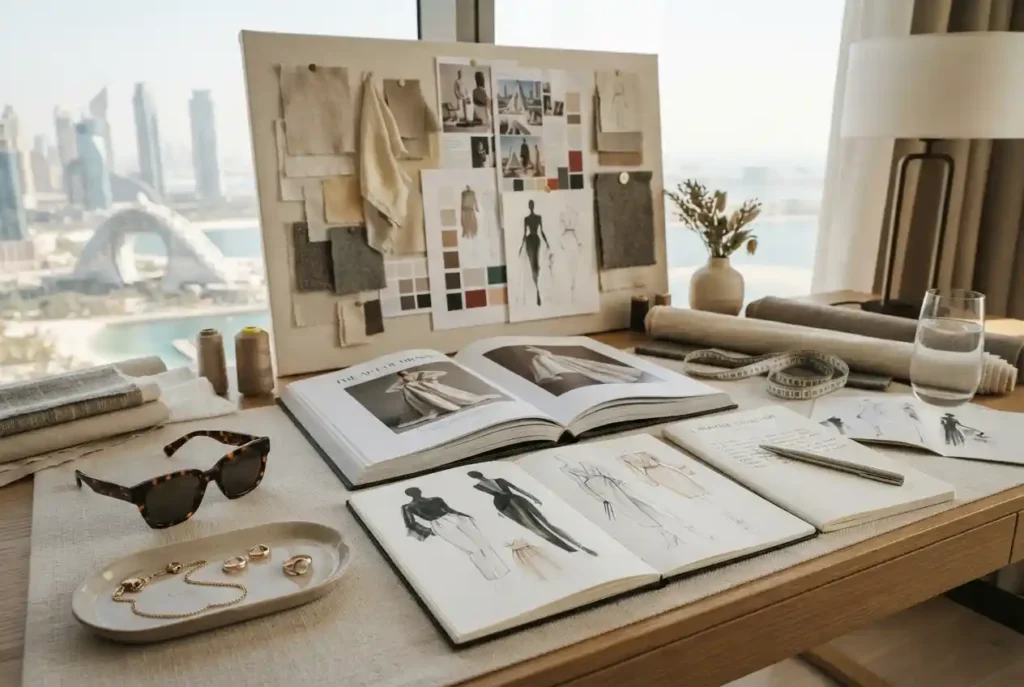
Fashion is often discussed through clothing, designers, collections, trends, and accessories, but its influence extends beyond what people wear. Fashion can communicate personality, culture, creativity, confidence, and changing ideas about identity. That is why fashion quotes continue to appeal to designers, writers, stylists, bloggers, students, and anyone who enjoys expressing ideas through style.
A thoughtful quote can capture an idea that might otherwise take an entire paragraph to explain. It can describe the relationship between clothing and confidence, the importance of individuality, the creative process behind design, or the changing nature of trends.
For fashion professionals and content creators, quotes can also provide inspiration for editorial themes, social media captions, campaign concepts, presentations, and personal reflections. However, the strongest use of fashion quotes is not simply repeating famous words. It is using the underlying ideas to develop a personal perspective on style.
Why Fashion Quotes Remain Popular
Fashion is highly visual, but language gives people a way to discuss what they see and feel. A short statement about style can turn an image into a story or provide context for a collection.
Quotes are also easy to adapt across different forms of content. A designer might use an original statement to introduce a collection, while a fashion blogger may use a short line to accompany an outfit photograph.
For readers, fashion quotes can provide motivation, creative inspiration, or a simple reminder that personal style does not have to follow every trend.
What Makes a Good Fashion Quote?
A memorable fashion quote usually communicates a clear idea without unnecessary complexity. It may focus on confidence, individuality, creativity, elegance, or the relationship between clothing and identity.
The most useful quotes also have context. A sentence can sound appealing on its own, but understanding the person, collection, interview, or situation behind it can provide a deeper interpretation.
When using quotations from published sources, always verify the wording and attribution. For professional content, accuracy is more valuable than using a popular quote simply because it appears frequently online.
Fashion and Personal Style
One of the most enduring ideas in fashion is that style is personal. Trends may influence what appears in stores and on runways, but individual style develops through choices about colour, silhouette, fabric, accessories, and proportion.
This is why copying a complete outfit does not necessarily create personal style. A stronger approach is to identify elements that genuinely suit your personality and adapt them to your own wardrobe.
A useful fashion philosophy is to treat trends as options rather than instructions. You can borrow an idea from a seasonal trend while keeping your own preferred colours, silhouettes, and accessories.
Fashion Quotes About Confidence
Clothing can influence how people present themselves, although confidence should never be reduced to appearance alone. A well-fitting outfit can help someone feel prepared for a meeting, event, presentation, or social occasion.
Fashion quotes about confidence often work because they connect external presentation with internal attitude. The strongest interpretation is not that expensive clothing creates confidence, but that thoughtful personal presentation can support how someone chooses to express themselves.
This distinction is especially useful when discussing fashion with younger audiences. Personal style should encourage experimentation rather than pressure people to meet unrealistic appearance standards.
Fashion Quotes About Individuality
Individuality is another recurring theme in fashion. Designers often reinterpret existing silhouettes, materials, and cultural references rather than creating in complete isolation from everything that came before.
For consumers, individuality can mean choosing clothing that feels authentic rather than buying something solely because it is popular.
Individual style can also develop through small details. A particular eyewear shape, jewellery style, colour palette, or handbag silhouette can become part of someone’s recognizable appearance.
Our guide to fashion accessories explores how these details can contribute to a complete personal look.
Fashion Quotes and Creativity
Fashion design is fundamentally a creative process. Designers research ideas, experiment with silhouettes, select fabrics, develop colour palettes, create sketches, and refine garments before a collection reaches its final form.
Creative fashion quotes can therefore be useful during periods of uncertainty. Designers may encounter rejected concepts, unsuccessful prototypes, or creative blocks. A short reminder about experimentation can help put those moments into perspective.
Creativity also involves editing. Not every idea needs to become a finished garment. Sometimes removing unnecessary elements creates a stronger design.
Fashion Books as a Source of Inspiration
Fashion books offer a deeper source of inspiration than collections of isolated quotes. Books can provide historical context, designer biographies, photography, cultural research, technical information, and critical discussion.
Students and aspiring designers can use fashion books to understand how styles developed over time and how designers responded to social, technological, and cultural changes.
When selecting fashion books, consider your purpose. A visual reference book may be useful for moodboard research, while a detailed history book can provide context for understanding particular periods and movements.
Using Fashion Quotes in Creative Work
Fashion quotes can be incorporated into creative projects in several ways, but they should support the project rather than become its entire concept.
Fashion Portfolios
A short original statement can introduce the concept behind a collection or explain the designer’s creative philosophy. This can help the viewer understand the visual work before examining the details.
Fashion Blogs
Quotes can provide a thematic opening or help divide longer editorial content. However, the surrounding writing should provide original analysis rather than relying on quotations to fill the article.
Social Media
Fashion content is highly visual, making short statements useful as captions or creative prompts. Original wording is often preferable because it gives a creator a distinctive voice.
Brand Campaigns
A fashion brand may develop its own statements around confidence, craftsmanship, individuality, or design philosophy. Original brand language can become part of the company’s identity.
Fashion Blogger Hashtags and Content Discovery
Fashion blogger hashtags can help categorize social content and make posts easier to discover within relevant conversations. However, hashtags work best when they accurately describe the content.
A fashion creator might combine broad terms with more specific ones related to the outfit, location, style category, or content format. For example, a UAE-based creator could combine fashion-related tags with regional terms when they genuinely match the post.
Avoid treating hashtags as a substitute for good content. Strong photography, useful commentary, original styling, and consistent publishing remain central to building an audience.
Fashion Quotes for Different Content Themes
Style and Elegance
Content focused on elegance can explore restraint, proportion, quality, and timeless styling. A short statement about simplicity can work particularly well alongside a refined outfit or minimalist editorial image.
Creativity and Design
Design-focused content can use language around experimentation, imagination, materials, and transformation. These themes are particularly suitable for fashion students and designers documenting their creative process.
Confidence and Self-Expression
Fashion content about confidence can focus on authenticity and comfort rather than unrealistic expectations. The strongest message is that clothing can be a tool for expression, not a requirement for fitting into a particular image.
Fashion History
Historical fashion content benefits from quotes or observations that connect clothing with the society in which it was created. Understanding context can make historical garments more meaningful than simply describing their appearance.
How to Use Quotes Responsibly
Attribution matters whenever you publish someone else’s words. Before using a quote, verify the source, wording, and speaker. Popular quote websites are not always reliable, and statements are sometimes incorrectly attributed to famous designers or writers.
For commercial websites, publications, and brand campaigns, it is often safer to write original statements when you want a distinctive message. Original copy can also make the content more closely aligned with the brand’s voice.
When quoting copyrighted material, keep excerpts brief and consider whether you have the necessary rights for commercial or promotional use. A quote’s popularity does not automatically mean every use is unrestricted.
Writing Your Own Fashion Quotes
You do not need to be a famous designer to create meaningful fashion writing. Original statements can come from genuine observations about clothing and personal style.
Start with a clear idea. Perhaps you believe that good style comes from understanding proportion, or that fashion should encourage experimentation rather than conformity.
Then express the idea as simply as possible. Avoid forcing a sentence to sound profound. A natural, specific observation is often more memorable than a vague statement filled with fashionable language.
Fashion Quotes and the UAE Style Scene
The UAE offers a particularly interesting environment for fashion because global influences coexist with regional traditions. Contemporary fashion can incorporate modest silhouettes, luxury styling, traditional craftsmanship, international trends, and modern streetwear.
This creates opportunities for writers and creators to develop fashion content that feels locally relevant rather than simply reproducing international trends.
For example, a UAE fashion article might explore how accessories complement modest outfits, how climate influences fabric choices, or how regional designers reinterpret global silhouettes.
How Fashion Quotes Can Strengthen a Content Strategy
Fashion quotes can be useful as supporting content within a broader editorial strategy. Instead of building an entire website around generic quote collections, creators can use quotes as entry points into deeper topics.
A statement about accessories could lead into an article about styling handbags and jewellery. A quote about creativity could introduce a discussion of fashion design portfolios. A historical observation could provide context for an article about vintage fashion or earlier fashion eras.
This approach makes quote content more useful because it connects inspiration with practical information.
Beyond Trends: Developing a Personal Fashion Philosophy
Trends change constantly, but a personal fashion philosophy can provide consistency. It may be based on comfort, craftsmanship, minimalism, colour, sustainability, cultural references, experimentation, or another set of values.
Developing this philosophy takes time. It can emerge through trying different clothes, studying designers, reading fashion books, observing street style, and learning what actually works in your daily life.
Fashion quotes can serve as reminders of those ideas, but the real expression comes through the choices you make.
Final Thoughts on Fashion Quotes
Fashion quotes can inspire, challenge, and summarize ideas about style, creativity, confidence, and individuality. Their value becomes greater when they are connected to meaningful fashion discussions rather than used simply as decorative text.
Whether you are a designer building a portfolio, a blogger creating social content, or someone exploring personal style, use quotes as starting points for thought rather than replacements for original ideas.
Read widely, verify quotations before publishing them, explore fashion books for deeper context, and develop your own perspective. In the end, the most valuable fashion statement may not be a famous quotation at all. It may be the distinctive point of view you develop through what you wear, create, write, and share.