
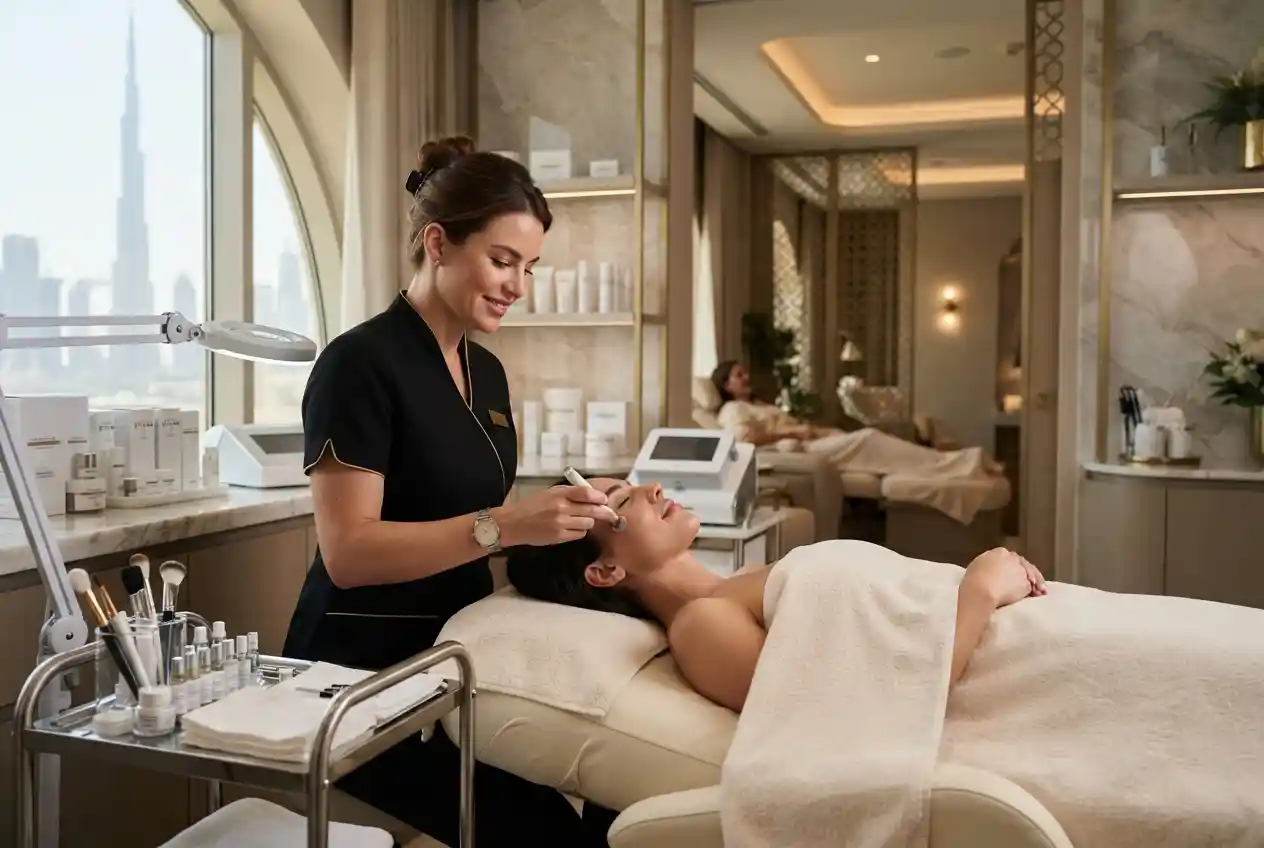
For people interested in the beauty and personal-care industry, beauty therapist jobs in Dubai can offer a career path across salons, beauty centers, spas, hotels, wellness businesses, and other personal-care environments. Dubai’s diverse customer base also means beauty professionals may work with clients from many different backgrounds and with a wide range of beauty preferences.
However, finding the right role requires more than having an interest in beauty. Employers typically look for practical skills, professional presentation, customer-service ability, product knowledge, and relevant training or experience. Depending on the position, additional qualifications or professional requirements may also apply.
This guide explains what beauty therapist roles involve, which skills employers may value, how to prepare a CV, and how to build a longer-term career in the UAE beauty sector.
What Does a Beauty Therapist Do?
A beauty therapist provides personal-care and beauty treatments designed around a client’s individual needs. The exact responsibilities depend on the employer and job level.
Common duties can include skincare treatments, facials, waxing, threading, manicures, pedicures, lash and brow services, body treatments, product recommendations, appointment preparation, and customer consultations.
Some therapists specialise in particular services, while others work as general beauty professionals capable of handling several treatment categories.
The role can also include responsibilities that are not directly related to performing treatments. Maintaining treatment areas, following hygiene procedures, preparing equipment, recording customer preferences, and communicating professionally with clients can all be important parts of the job.
Why Dubai Attracts Beauty Professionals
Dubai has a large and diverse beauty, wellness, hospitality, and personal-care sector. Beauty professionals may find opportunities in independent salons, luxury beauty lounges, hotel spas, shopping-centre salons, beauty centers, and specialised businesses.
The city’s international customer base can also make communication and adaptability valuable skills. A therapist may need to understand different preferences, expectations, beauty routines, and cultural considerations while maintaining professional service standards.
For professionals planning a long-term career, this environment can provide exposure to different service categories and customer expectations.
Common Beauty Therapist Job Responsibilities
Although responsibilities differ between employers, many beauty therapist positions involve a combination of technical service and customer care.
Client Consultation
A good consultation helps a therapist understand what the customer wants before starting a treatment. This may involve asking about preferences, previous treatments, skin concerns, or relevant sensitivities.
Clear communication is particularly important when the desired result may not be achievable exactly as shown in a reference image. A professional therapist should be able to explain available options clearly.
Performing Treatments
Therapists may perform services such as facials, waxing, manicures, pedicures, brow shaping, lash treatments, or body treatments, depending on their training and employer.
Accuracy and consistency are important because customers expect the same professional standard throughout their appointment.
Hygiene and Preparation
Beauty therapists are responsible for maintaining a clean and professional treatment environment. This can include preparing workstations, cleaning equipment, changing towels, managing disposable materials, and following workplace hygiene procedures.
Good hygiene is not simply part of presentation. It is fundamental to professional beauty services.
Product Knowledge
Beauty therapists often work with professional skincare, hair, nail, or body-care products. Understanding how products are used and what they are intended for can improve both treatment quality and customer communication.
Some employers may also expect therapists to explain products or recommend suitable home-care options without using aggressive sales tactics.
Skills Employers Look for in Beauty Therapists
Technical ability is important, but successful beauty professionals generally need a combination of practical and interpersonal skills.
Technical Beauty Skills
Depending on the position, employers may look for experience in areas such as facials, waxing, manicures, pedicures, lashes, brows, makeup, skincare, or body treatments.
Having multiple competencies can make a candidate suitable for a wider range of positions. However, it is better to demonstrate genuine competence in several services than to list every possible treatment without practical experience.
Customer Service
Beauty is a client-facing industry, so communication matters. Customers expect therapists to be polite, attentive, respectful, and professional throughout the appointment.
Being able to listen carefully can be just as important as explaining a treatment. A therapist who understands what the customer actually wants is more likely to deliver a satisfying experience.
Attention to Detail
Small details can significantly affect the final result of beauty treatments. Nail shape, brow symmetry, skincare application, waxing technique, and other services require concentration and consistency.
Time Management
Salons and beauty centers operate according to appointment schedules. Therapists therefore need to manage their time carefully without compromising service quality.
Arriving late, taking too long between appointments, or failing to prepare the treatment area can affect both customers and colleagues.
Professional Presentation
Beauty professionals represent the business directly. A clean, polished, and professional appearance can contribute to customer confidence, particularly in premium salon environments.
Qualifications and Beauty Training
Training can help candidates demonstrate that they understand professional beauty techniques, hygiene practices, product use, and client care.
People entering the industry may consider formal beauty therapy education before applying for positions. Existing professionals can also strengthen their CV by developing specialist skills through additional courses and certifications.
If you are considering structured education, researching beauty therapy courses can help you understand the types of training and certification pathways available.
Beauty Salon Manager Jobs in Dubai
Professionals with several years of salon experience may eventually consider beauty salon manager jobs in Dubai. Management roles require a different skill set from treatment-focused positions.
A salon manager may be responsible for staff scheduling, customer service standards, stock management, sales performance, appointment coordination, supplier relationships, training, and day-to-day operations.
Leadership, organisation, communication, and commercial awareness become increasingly important at this level. A strong therapist can therefore progress into management by developing business and people-management skills alongside technical beauty expertise.
Understanding a Beauty Salon Receptionist Job Description
A beauty salon receptionist job description often includes responsibilities such as answering calls, managing bookings, greeting customers, handling payments, coordinating appointments, maintaining records, and communicating with therapists and management.
The receptionist is often the customer’s first point of contact, so professionalism and communication are essential. Knowledge of salon services can also be valuable because receptionists may need to explain basic treatment information or direct customers to the appropriate professional.
For candidates without extensive treatment experience, receptionist roles can provide an entry point into the beauty industry while allowing them to learn how a salon operates.
The Role of a Beauty Consultant
A beauty consultant typically helps customers understand beauty products and services. Depending on the employer, the role may exist within a salon, department store, cosmetics retailer, skincare business, or beauty brand.
Beauty consultants need strong product knowledge and communication skills. They should be able to understand a customer’s needs, explain product features clearly, and make recommendations that are relevant rather than simply pushing the most expensive option.
Experience in customer service, cosmetics, skincare, or retail can be useful when applying for these positions.
How to Create a Strong Beauty Consultant CV
A professional beauty consultant CV should make it easy for a recruiter to understand your skills and experience quickly.
Start with a concise professional summary explaining your experience, key strengths, and the type of beauty role you are seeking. Follow this with relevant work experience, education, certifications, technical skills, and language abilities.
Where possible, describe achievements rather than simply listing responsibilities. For example, explain the types of services you performed, the customer groups you worked with, or responsibilities you handled within a salon or retail environment.
Useful CV Sections
- Professional summary
- Work experience
- Beauty and technical skills
- Training and certifications
- Customer-service experience
- Product knowledge
- Languages
- Professional references where appropriate
Keep the CV easy to scan and tailor it to the specific position. A therapist applying for a facial specialist role should emphasise relevant skincare experience rather than giving equal space to unrelated skills.
How to Search for Beauty Therapist Jobs in Dubai
Job seekers can use several approaches when looking for beauty opportunities. Online job platforms, company career pages, recruitment agencies, professional networks, and direct applications to salons can all be useful.
Research the employer before applying. Visit its official website and social profiles, review the services it offers, and understand the type of customer experience it provides. This can help you tailor your application and prepare for interviews.
Networking can also be valuable in the beauty industry. Professionals who attend training courses, industry events, or work alongside other beauty specialists may hear about openings before they are widely advertised.
Preparing for a Beauty Therapist Interview
An interview may cover both technical skills and customer-service situations. Be prepared to explain your experience with specific treatments and discuss how you handle difficult or uncertain customer requests.
Employers may also want to understand how you maintain hygiene, manage appointment schedules, recommend products, and respond when a customer is unhappy with a result.
If you have a portfolio of your work, prepare examples that demonstrate the services most relevant to the position. Clear before-and-after examples can help communicate practical ability where appropriate.
Career Growth in the Beauty Industry
Beauty therapy can become a long-term career rather than a single job. With experience and additional training, professionals can move into specialist roles, senior therapist positions, training, salon management, consulting, retail, or independent business ownership.
Specialisation can also create opportunities. A therapist who develops strong expertise in a particular area may become more attractive to employers seeking that skill.
Continuous learning is valuable because beauty trends, techniques, products, equipment, and customer expectations change over time.
Careers in Beauty Therapy: What to Expect
Careers in beauty therapy can be rewarding for people who enjoy practical work, customer interaction, creativity, and personal-care services. At the same time, the work can be physically demanding.
Therapists may spend long periods standing, working with their hands, moving between treatment areas, and maintaining a busy appointment schedule. Customer-facing work also requires patience and emotional professionalism.
Understanding both the advantages and demands of the profession can help candidates decide whether beauty therapy is the right long-term career direction.
Tips for Building a Successful Beauty Career in Dubai
- Develop strong practical skills instead of relying only on theoretical knowledge.
- Keep your certifications and professional training up to date.
- Build a portfolio that demonstrates your best work.
- Improve communication and customer-service skills.
- Learn about professional beauty products and their correct use.
- Maintain high hygiene and workplace standards.
- Develop specialist skills that differentiate you from other candidates.
- Keep your CV updated as your experience grows.
- Build professional relationships within the beauty industry.
Key Takeaways
Beauty therapist jobs in Dubai can provide opportunities for people with the right combination of technical ability, professional training, customer-service skills, and personal discipline. The industry includes far more than treatment roles, with potential career paths extending into reception, consulting, management, training, and specialist services.
For newcomers, building a strong foundation through recognised training and practical experience can make the job search easier. Experienced professionals can strengthen their position by developing specialist skills, improving their CV, and demonstrating measurable experience.
Whether your goal is to become a therapist, beauty consultant, salon receptionist, or eventually a salon manager, the UAE beauty sector offers several possible career directions. The key is to combine technical competence with excellent customer care and a willingness to continue learning.
[…] considering beauty therapist jobs in Dubai can use their training to demonstrate knowledge of relevant treatments and professional […]