
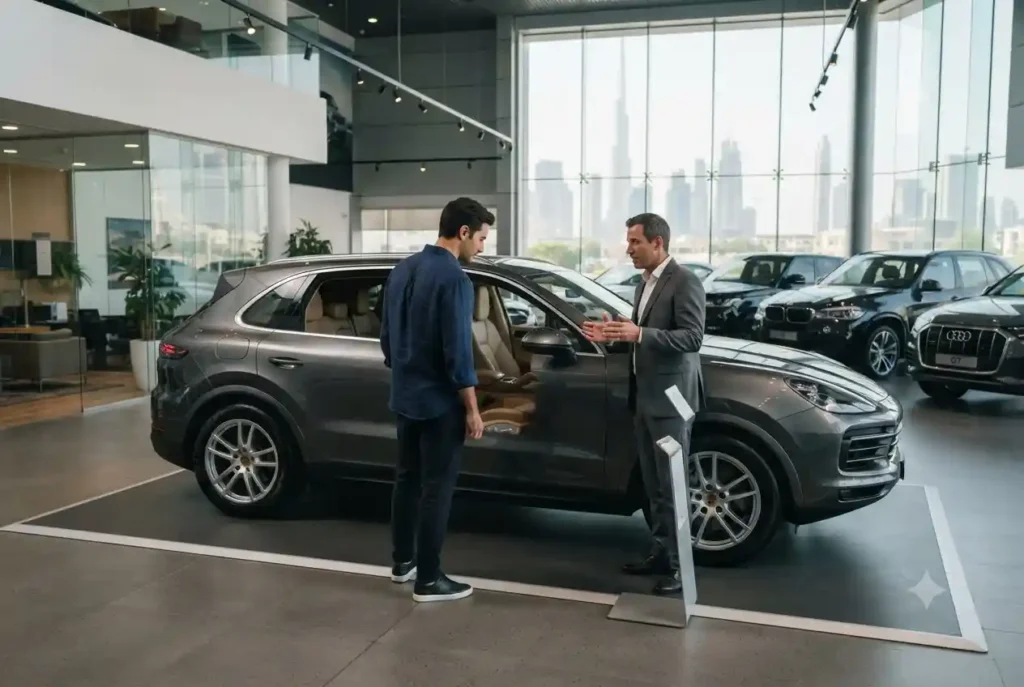
If you want to buy used cars Dubai offers an unusually broad range of options, from economical commuter cars and family SUVs to luxury vehicles and premium models. The variety can make the search exciting, but it can also make the buying decision more complicated. Two cars with similar prices may have very different maintenance histories, specifications, mileage and ownership costs.
For that reason, buying a used car in Dubai should be approached as a process rather than a quick purchase. The right vehicle is not necessarily the cheapest one available. It is the car that fits your budget, driving requirements and expected ownership period while offering a condition and history that justify the price.
Whether you are buying your first vehicle, replacing an older car or looking for a second family vehicle, this guide explains how to search, compare, inspect and purchase a used car in Dubai with greater confidence.
Why Buy a Used Car in Dubai?
A used car can make sense for buyers who want to control the initial purchase cost while still getting access to a wide selection of vehicles. Depending on the model and age, buyers can compare different specifications and price points without limiting themselves to the newest releases.
Another advantage is choice. Dubai’s automotive market includes vehicles from many manufacturers and model years, giving buyers more flexibility when searching for a particular body style, engine, equipment level or budget.
However, a used car requires more research than a new vehicle. The previous owner’s maintenance habits, accident history, service records and general usage can have a major impact on the condition of the vehicle.
If you are comparing the wider market before making a purchase, our guide to the UAE used car market can also help you understand how used vehicles fit into the broader automotive landscape.
Where to Buy Used Cars in Dubai
There are several ways to search for a used vehicle in Dubai. The best choice depends on how much assistance you want and how comfortable you are evaluating a vehicle independently.
Used Car Showrooms
Showrooms can be convenient because buyers can often view multiple vehicles in one location. They may also provide assistance with paperwork, financing or other parts of the purchasing process, depending on the seller.
Even when buying from a professional seller, however, you should still inspect the vehicle and review its documentation. A showroom environment should not replace your own due diligence.
Online Car Listings
Online platforms are useful for creating a shortlist before visiting vehicles in person. You can compare asking prices, model years, mileage, specifications and locations without spending time travelling to every seller.
Online research is particularly useful when you already know the type of vehicle you want. Instead of searching randomly, establish a target price range and shortlist vehicles that meet your basic requirements.
Private Sellers
Private sellers can sometimes offer competitive prices, but the buyer generally needs to take greater responsibility for inspection, documentation and transaction checks.
When dealing directly with an owner, ask clear questions about the vehicle’s service history, previous use, accident repairs, ownership history and reason for selling. Do not rely solely on verbal assurances.
How to Choose the Right Used Car
Before looking at individual listings, define your priorities. A small sedan may be suitable for a daily commuter, while a larger SUV could make more sense for a family that regularly travels long distances.
Think about how you will actually use the vehicle. Consider passenger capacity, luggage space, fuel consumption, parking requirements, highway driving, expected mileage and maintenance needs.
Your budget should also include ownership costs beyond the purchase price. Insurance, registration-related expenses, fuel, servicing, tyres and unexpected repairs can all affect the real cost of a used vehicle.
It is better to choose a vehicle that leaves some financial room for maintenance than to spend your entire budget simply because a particular model looks attractive.
Check the Used Car’s Mileage Carefully
Mileage is an important factor, but it should never be considered in isolation. A vehicle with higher mileage and consistent maintenance records may be a better purchase than a low-mileage car with an unclear history.
Compare the displayed mileage with the service documentation and the general condition of the vehicle. The steering wheel, pedals, driver’s seat and other frequently used components can provide useful clues about how heavily the car has been driven.
Do not automatically reject a vehicle because it has travelled more kilometres. Instead, consider how those kilometres were accumulated and whether the vehicle appears to have been maintained properly.
Inspect the Exterior Before Buying
A careful exterior inspection can reveal signs of previous repairs or damage. Examine the body panels in good daylight and look for differences in paint shade, uneven panel gaps, dents, scratches and signs of repainting.
Pay particular attention to areas where repairs may be less obvious. Check the condition of the bumpers, doors, bonnet, boot and lights. If something looks inconsistent, ask the seller about it rather than making assumptions.
Tyres also deserve attention. Check their overall condition and look for uneven wear. Significant differences in tyre wear can sometimes indicate alignment, suspension or other mechanical issues that deserve further investigation.
Inspect the Interior and Electronics
Once the exterior looks satisfactory, inspect the cabin carefully. Test the air-conditioning system, infotainment system, windows, mirrors, lights and other electrical features fitted to the vehicle.
Dubai’s climate makes an effective air-conditioning system particularly important for everyday driving. Do not simply switch it on for a few seconds. Allow it to operate and check whether it performs as expected.
Look at the seats, dashboard, carpets and controls as well. Excessive wear does not automatically mean a car is unsuitable, but it can help you understand how the vehicle has been used.
Take the Car for a Test Drive
A test drive is essential before committing to a used vehicle. The objective is not simply to see whether the car feels comfortable. You should use the drive to identify unusual behaviour that may require further investigation.
Pay attention to engine response, transmission changes, steering, braking and suspension. Listen for unusual sounds when accelerating, turning, braking or driving over uneven surfaces.
Check whether warning lights appear on the dashboard and make sure the vehicle behaves consistently throughout the drive. If you notice anything unusual, ask for clarification and consider having the car professionally inspected before making an offer.
Get a Professional Inspection
If you are serious about buying a used car, an independent inspection can be one of the most valuable steps in the process. A qualified inspection can help identify mechanical, electrical, structural or maintenance-related issues that may not be obvious during a casual viewing.
This is particularly important when buying an older vehicle or one with incomplete service documentation. The cost of an inspection can be small compared with the potential expense of discovering a major problem after the purchase.
For buyers unfamiliar with vehicle mechanics, professional inspection also provides an additional layer of confidence when comparing several cars.
Review the Vehicle’s History and Documents
Documentation should form an important part of your buying decision. Ask the seller for available service records and check whether the information is consistent with the vehicle’s age and mileage.
You should also confirm that the seller is authorised to complete the transaction and that the vehicle information matches the documents. If the car has been financed, transferred between owners or brought from another market, ask questions about its status before proceeding.
Dubai’s official vehicle services include ownership transfer and registration procedures. The Roads and Transport Authority provides an online ownership-change service for Dubai vehicles, allowing the seller to initiate the transaction and the buyer to complete the required steps. Requirements can change, so buyers should check the current official process before finalising the purchase.
Compare Prices Before Making an Offer
One of the biggest mistakes buyers make is negotiating without researching comparable vehicles. Before making an offer, compare several listings with similar model years, mileage, specifications and condition.
Do not compare only the advertised prices. A vehicle that costs slightly more may have better maintenance records, newer tyres, fewer repairs or a stronger ownership history.
Likewise, an unusually cheap vehicle deserves additional scrutiny. A low asking price can sometimes reflect condition, accident history, urgent maintenance requirements or other factors that are not obvious from the advertisement.
How to Buy Used Car in Dubai Without Rushing
Knowing how to buy used car in Dubai is as much about avoiding bad decisions as it is about finding a good vehicle. Do not let a seller’s urgency become your urgency.
If a seller says that another buyer is ready to purchase immediately, stay focused on your inspection and documentation checks. A good vehicle should still be evaluated properly before you commit.
Take time to compare alternatives. If the first car you inspect has problems, move to the next one. Dubai’s large automotive market means buyers generally have more opportunities than they might initially think.
Understand the Ownership Transfer Process
After agreeing on a vehicle and completing the necessary checks, the transaction must be completed through the appropriate official process. For Dubai-registered vehicles, the RTA provides ownership-change services through its website, smart applications and service centres.
The current RTA process includes steps for the seller and buyer, including the ownership-change agreement, payment of applicable fees, insurance and vehicle registration requirements. Where a technical inspection is required, the buyer may need to complete it before registration.
Always check the latest requirements directly with the relevant authority because service procedures, documents and fees can change over time.
What Is the Best Place to Buy Used Cars in Dubai?
The best place to buy used cars in Dubai depends on what you value most. Some buyers prefer established showrooms because they want a structured purchasing experience, while others prefer private sellers because they want to negotiate directly with the owner.
There is no single buying channel that guarantees the best deal. The quality of the individual vehicle matters more than the location where it is advertised.
A good buying environment should allow you to examine the vehicle, ask questions, review relevant documentation and arrange an appropriate inspection. If a seller discourages independent checks or avoids reasonable questions, consider that a warning sign.
Consider the Total Cost After Purchase
Once you have found a suitable car, calculate what ownership will cost after the purchase. Estimate insurance, fuel, routine servicing, tyres and likely repairs based on the vehicle’s age and condition.
You should also consider depreciation and future resale. Keeping service records and maintaining the vehicle properly can help preserve its condition and make the car easier to sell later.
For buyers considering an upgrade rather than a straightforward purchase, exploring car exchange options in the UAE can be useful. Trading in an existing vehicle may provide an alternative to selling it separately before purchasing another car.
Used Car Buying Checklist
Before completing the purchase, run through a simple checklist:
- Confirm that the vehicle meets your daily requirements.
- Compare its price with similar vehicles.
- Check the mileage against available records.
- Inspect the exterior and interior carefully.
- Test the air conditioning and major electrical systems.
- Take the vehicle for a proper test drive.
- Arrange a professional inspection when appropriate.
- Review service records and available vehicle documentation.
- Confirm the seller’s authority to sell the vehicle.
- Calculate insurance and expected ownership costs.
- Understand the current ownership-transfer procedure.
- Keep copies of relevant transaction and service documents.
Key Takeaways
Buying a used car in Dubai can offer excellent choice and value, but the strongest purchases usually come from careful research rather than rushed decisions. Start with a realistic budget, define your requirements, compare several vehicles and investigate the condition and history of every serious candidate.
Remember that the best used car is not necessarily the cheapest one. A well-maintained vehicle with transparent documentation and a condition that matches its asking price can be a much better long-term decision than a bargain that requires expensive repairs.
By combining online research with physical inspection, professional checks and proper documentation, buyers can approach the Dubai used car market with much greater confidence and make a decision based on the complete ownership picture rather than the advertisement alone.