Malaysia tourism city experiences offer an appealing combination of modern skylines, historic neighborhoods, multicultural communities, tropical landscapes, excellent food, shopping, beaches, and easy access to nature. From the energy of Kuala Lumpur to the heritage atmosphere of George Town and the riverfront character of Kuching, Malaysia’s cities provide very different ways to experience the country.
Choosing the right city depends on what you want from your trip. Kuala Lumpur is ideal for first-time visitors who want major landmarks, shopping, restaurants, entertainment, and convenient transportation. George Town is particularly attractive for travelers interested in heritage and food, while Malacca offers a more compact historic experience. Johor Bahru can work well for families and travelers continuing toward Singapore, while Kuching and Kota Kinabalu open the door to the natural and cultural attractions of Malaysian Borneo.
Malaysia’s official tourism resources divide the country into regions including the northern peninsula, east coast, central region, southern region, and East Malaysia, reflecting the considerable variety between its destinations. Explore Malaysia’s official tourism website for current destination and travel-planning information.
Why Malaysia Tourism Cities Are Worth Exploring
Malaysia’s cities are interesting because they combine different cultural influences within relatively accessible urban environments. Malay, Chinese, Indian, indigenous, and colonial influences can be seen in architecture, religious sites, festivals, markets, neighborhoods, and food.
This diversity also means travelers can experience several styles of holiday within one country. A city break in Kuala Lumpur can be followed by a heritage-focused stay in Penang, a relaxed visit to Malacca, or an adventure-oriented trip through Sabah or Sarawak.
Urban destinations also provide convenient access to attractions outside the city. Kuala Lumpur can serve as a base for excursions into the surrounding highlands, while Kuching provides access to rainforests and wildlife destinations. Kota Kinabalu combines city facilities with beaches, islands, and mountain adventures.
Kuala Lumpur: Malaysia’s Main Tourism City
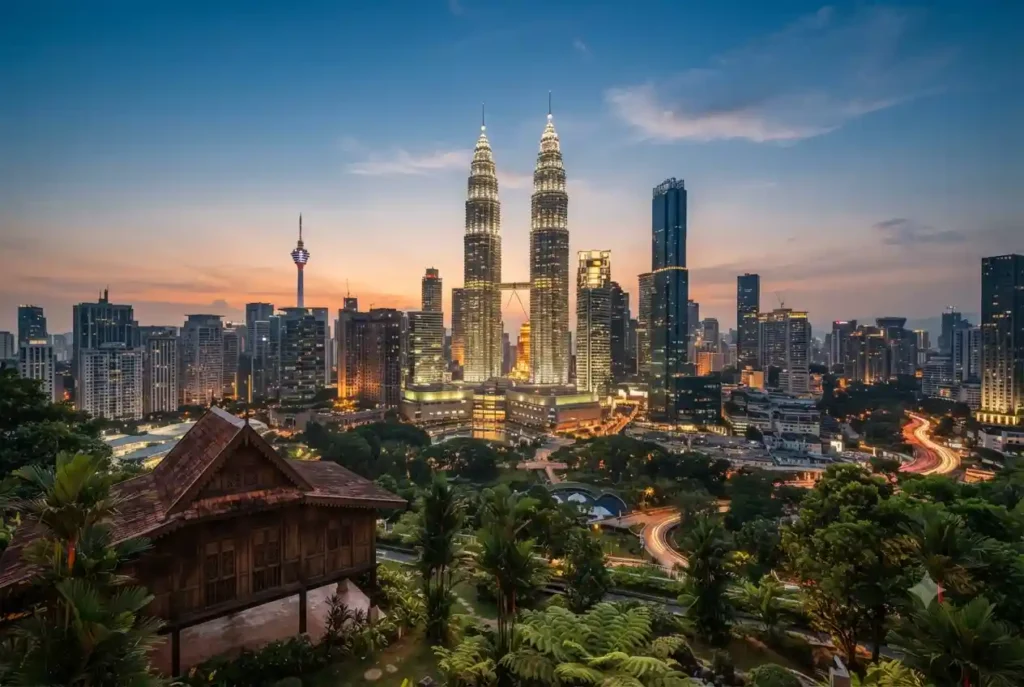
Kuala Lumpur is the obvious starting point for many first-time visitors. Malaysia’s capital combines modern skyscrapers with historic districts, green spaces, shopping malls, food markets, cultural attractions, and lively neighborhoods.
The Petronas Twin Towers remain the city’s most recognizable landmark. Their distinctive architecture creates an iconic skyline, while the surrounding KLCC area offers shopping, restaurants, parks, and entertainment.
Travelers should also explore areas beyond the modern city center. Merdeka Square, Central Market, Chinatown, and the historic streets around the old center reveal a different side of Kuala Lumpur.
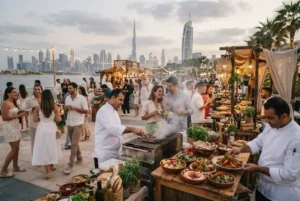
One of the city’s biggest strengths is its food culture. Hawker centers, food courts, neighborhood restaurants, cafés, and upscale dining venues provide opportunities to experience Malaysia’s multicultural culinary traditions.
What to Do in Kuala Lumpur
A well-balanced Kuala Lumpur itinerary can include the Petronas Twin Towers, KLCC Park, Batu Caves, Merdeka Square, Central Market, Chinatown, and several local food neighborhoods.
Shopping is another major attraction. Visitors can choose between large modern malls, independent boutiques, traditional markets, and specialty stores.
The city is also well suited to evening exploration. Rooftop viewpoints, restaurants, cafés, cultural performances, and entertainment districts give travelers plenty of options after the main sightseeing hours.
George Town: Heritage and Food in Penang
George Town is one of Malaysia’s most distinctive city destinations. Located on Penang Island, the city is famous for its historic architecture, multicultural neighborhoods, street art, temples, traditional shops, and food culture.
The UNESCO-listed historic center is particularly rewarding for travelers who enjoy walking. Colonial buildings, Chinese shophouses, religious sites, cafés, markets, and colorful streets appear throughout the heritage area.
Food is one of George Town’s biggest attractions. Penang is widely associated with hawker dishes and regional specialties, making the city particularly appealing to travelers who plan their holidays around food.
A visit to George Town can also include Penang Hill, Kek Lok Si Temple, coastal areas, and other parts of the island. This combination allows travelers to mix urban heritage with scenery and nature.
Malacca: A Compact Historic City
Malacca, also known as Melaka, is an excellent choice for travelers interested in history and architecture. Its historic center reflects centuries of cultural exchange involving Malay, Chinese, Portuguese, Dutch, and British influences.
Jonker Street is one of the most recognizable areas in the city. During the day, visitors can explore shops, cafés, historic buildings, and local food establishments. The area becomes particularly lively during its night market periods.
The Stadthuys, A Famosa, St. Paul’s Hill, and the Melaka River provide additional opportunities for sightseeing.
Malacca’s relatively compact center makes it suitable for travelers who prefer to explore on foot. A one- or two-night stay can provide a useful introduction without requiring an overly long itinerary.
Johor Bahru: A Southern Gateway
Johor Bahru is located in southern Malaysia near Singapore and can be useful as both a destination and a transportation point. The city has shopping centers, restaurants, cultural attractions, and family-oriented entertainment.
Families may be particularly interested in the attractions and theme-park experiences available in the wider Johor region. Travelers can also explore local food and shopping before continuing toward Singapore or other Malaysian destinations.
Johor Bahru offers a different atmosphere from Kuala Lumpur and can be a practical addition to a southern Malaysia itinerary.
Ipoh: Heritage, Food and Limestone Landscapes
Ipoh is an appealing choice for travelers who want a smaller city with a strong food and heritage identity. The city is known for its historic buildings, traditional coffee shops, local cuisine, and nearby limestone formations.
The old town is particularly suitable for walking and photography. Visitors can explore heritage buildings, murals, cafés, and traditional food establishments before venturing toward the surrounding countryside.
Ipoh is also useful as a stop between Kuala Lumpur and northern destinations. Travelers who enjoy slower city experiences may prefer spending a couple of nights here rather than rushing through it as a day trip.
Kuching: Gateway to Sarawak
Kuching provides a completely different Malaysia tourism city experience. Located in Sarawak on the island of Borneo, the city combines a relaxed riverfront atmosphere with indigenous culture, colonial history, museums, markets, and access to some of Malaysia’s most important natural environments.
The Kuching Waterfront is one of the easiest places to begin exploring the city. Walking along the river provides views of historic buildings, bridges, boats, and the surrounding urban landscape.
Travelers interested in culture can explore museums, traditional markets, and historic neighborhoods. Kuching is also a useful base for excursions into Sarawak’s rainforests and wildlife areas.
Kota Kinabalu: City, Islands and Mountains
Kota Kinabalu is another important city in Malaysian Borneo and offers a strong combination of urban convenience and outdoor adventure. The city sits along the coast of Sabah and provides access to islands, beaches, marine activities, and mountain destinations.
Travelers can spend time exploring the waterfront and local markets before taking boat trips to nearby islands. Snorkeling, diving, swimming, and island excursions can be incorporated into a city-based holiday.
Mount Kinabalu is another major reason travelers visit Sabah. Those planning a mountain adventure should allow additional time and prepare according to current climbing requirements, weather, and physical demands.
Putrajaya: Modern Architecture and Green Spaces
Putrajaya offers a very different urban experience from Kuala Lumpur. As Malaysia’s planned federal administrative center, the city is known for grand government buildings, bridges, landscaped spaces, lakes, and modern Islamic-inspired architecture.
The city can work well as a day trip from Kuala Lumpur. Visitors can explore major architectural landmarks, enjoy views around Putrajaya Lake, and experience a more spacious urban environment.
Putrajaya is particularly suitable for travelers interested in architecture and photography. Its carefully planned layout also provides a contrast with the dense and energetic atmosphere of central Kuala Lumpur.
Kuantan: A Coastal City Experience
Kuantan offers travelers an opportunity to combine city facilities with Malaysia’s east coast scenery. The city is associated with beaches, local food, river landscapes, and access to surrounding natural attractions.
Travelers who want a less metropolitan experience can use Kuantan as a base for exploring nearby coastal areas. The east coast is also known for traditional crafts and cultural experiences, making it an interesting alternative to Malaysia’s major western cities.
Seasonal weather should be considered carefully when planning a coastal trip, particularly if beaches and outdoor activities are central to the itinerary.
Malaysia Tourism City Experiences for Food Lovers
Food is one of the strongest reasons to explore Malaysia’s cities. Each destination has its own specialties, while the country’s multicultural population has created an enormous range of culinary traditions.
Kuala Lumpur offers everything from street food and hawker stalls to high-end restaurants. George Town is particularly well known for Penang cuisine, while Malacca offers dishes influenced by its long history of cultural exchange.
Ipoh is associated with traditional coffee-shop culture and local dishes, while cities in Sabah and Sarawak provide opportunities to explore indigenous and regional cuisines that differ from those of Peninsular Malaysia.
Travelers should try local establishments alongside restaurants designed primarily for tourists. Markets, food courts, and neighborhood eateries can often provide a stronger sense of local culinary culture.
Malaysia Tourism Cities for Families
Malaysia has several cities that work well for family holidays. Kuala Lumpur offers shopping centers, parks, museums, entertainment venues, and family attractions, while Johor Bahru provides access to major theme-park experiences in the wider region.
Penang can also suit families because a trip can combine heritage streets with beaches, hill attractions, and food experiences.
Kota Kinabalu is another strong option for families who prefer a combination of city facilities and outdoor activities. Island trips can introduce children to marine environments while allowing parents to maintain access to comfortable accommodation and restaurants.
Malaysia Tourism Cities for Couples
Couples can choose destinations according to the atmosphere they prefer. Kuala Lumpur offers rooftop dining, city views, shopping, and contemporary restaurants, while George Town provides heritage streets, boutique accommodation, cafés, and food-focused experiences.
Malacca can create a slower historic city break, while Kuching offers riverfront walks and access to nature. Kota Kinabalu is particularly attractive for couples who want to combine city sightseeing with beaches and island excursions.
Instead of trying to visit several cities in a short holiday, couples can select one main city and one complementary destination for a more relaxed experience.
Best Time to Visit Malaysia Tourism Cities
Malaysia’s tropical climate means travelers should consider regional weather when choosing travel dates. Conditions can differ between the west coast, east coast, and Malaysian Borneo, so there is no single period that is perfect for every destination.
For city breaks, travelers can generally plan activities around indoor and outdoor attractions regardless of short-term weather changes. Kuala Lumpur, George Town, and Malacca all offer museums, shopping, restaurants, cultural attractions, and covered spaces that can be useful during rainy periods.
Beach and island trips require more careful seasonal planning. Travelers should check conditions for their specific destination before booking marine activities or coastal accommodation.
Getting Around Malaysia
One of Malaysia’s advantages for travelers is the range of transportation options available between and within major destinations. Domestic flights connect cities such as Kuala Lumpur, Langkawi, Penang, Kuching, Kota Kinabalu, and Johor, while rail and bus networks provide additional options across the peninsula.
Malaysia’s official tourism resources also highlight rail services including MRT, LRT, KTM, Monorail, and ETS, along with extensive bus connections. Ferry services are useful for reaching island destinations such as Langkawi, Tioman, Redang, and other coastal getaways.
For city breaks, public transportation and e-hailing can often be more practical than renting a car. A private vehicle becomes more useful when exploring rural areas or building a road trip around destinations outside the major urban centers.
How Many Days Do You Need for Malaysia?
A four- to five-day holiday can focus on Kuala Lumpur with a nearby day trip. This works well for travelers who want shopping, food, architecture, and city attractions without changing hotels frequently.
A week allows travelers to combine Kuala Lumpur with another major destination such as George Town or Malacca. A longer holiday can add Langkawi, the east coast, Sabah, or Sarawak depending on interests.
Travelers should avoid treating Malaysia as a small country that can be crossed quickly. Regional differences and transportation time make it more enjoyable to concentrate on two or three destinations during a shorter trip.
Malaysia Tourism City Itinerary Ideas
For a first-time visitor, Kuala Lumpur and Malacca create a strong combination of modern city life and historic architecture. Travelers with a stronger interest in food and heritage can choose Kuala Lumpur and George Town.
Those looking for beaches can combine Kuala Lumpur with Langkawi, while travelers interested in wildlife and indigenous culture may prefer to continue toward Kuching or Kota Kinabalu.
For a family holiday, Kuala Lumpur and Johor Bahru can provide a mix of urban attractions and entertainment. Couples may prefer Kuala Lumpur and George Town or a city-and-island combination.
Responsible Tourism in Malaysia’s Cities
Responsible travel is important in Malaysia’s historic districts, religious sites, coastal areas, and natural environments. Visitors should respect local customs, dress appropriately when visiting religious buildings, and follow photography rules.
Travelers should also reduce litter, avoid damaging historic structures, and support local businesses where possible. Eating at local restaurants, purchasing authentic crafts, and using community-based experiences can help tourism benefits reach residents.
Malaysia’s official travel guidance encourages visitors to respect local traditions and practices and to understand appropriate behavior at religious sites. This is especially useful for travelers exploring the country’s culturally diverse cities.
Combining Malaysia With Other Asian Destinations
Malaysia can be part of a wider Southeast Asian travel itinerary, particularly for travelers who want to combine urban experiences with beaches, mountains, and cultural destinations.
Travelers researching Sikkim tourism can also see how differently mountain destinations in Asia can feel compared with Malaysia’s tropical cities and islands. Sikkim emphasizes Himalayan landscapes and Buddhist heritage, while Malaysia offers multicultural cities, tropical forests, coastal destinations, and island experiences.
For travelers planning a longer international journey, comparing destinations by climate, transportation, food, and activities can make it easier to create a realistic itinerary rather than simply collecting famous places.
Final Thoughts on Malaysia Tourism City Destinations
Malaysia tourism city experiences are diverse enough to suit almost every type of traveler. Kuala Lumpur provides the strongest introduction to modern Malaysia, while George Town and Malacca reveal the country’s historic and multicultural character.
Ipoh offers a slower combination of food and heritage, Johor Bahru provides a practical southern gateway, and Putrajaya showcases planned modern architecture. In Malaysian Borneo, Kuching and Kota Kinabalu open access to indigenous cultures, rainforests, islands, marine environments, and mountain adventures.
The best city to visit ultimately depends on the type of holiday you want. For first-time travelers, Kuala Lumpur is the easiest starting point. Food lovers may prefer George Town, history enthusiasts can add Malacca, and nature-focused travelers should consider Kuching or Kota Kinabalu.
Rather than trying to cover every major Malaysian city in one trip, choose destinations that complement each other. A thoughtful combination of city life, heritage, food, nature, and coastal experiences can turn a Malaysia holiday into a much richer journey.