
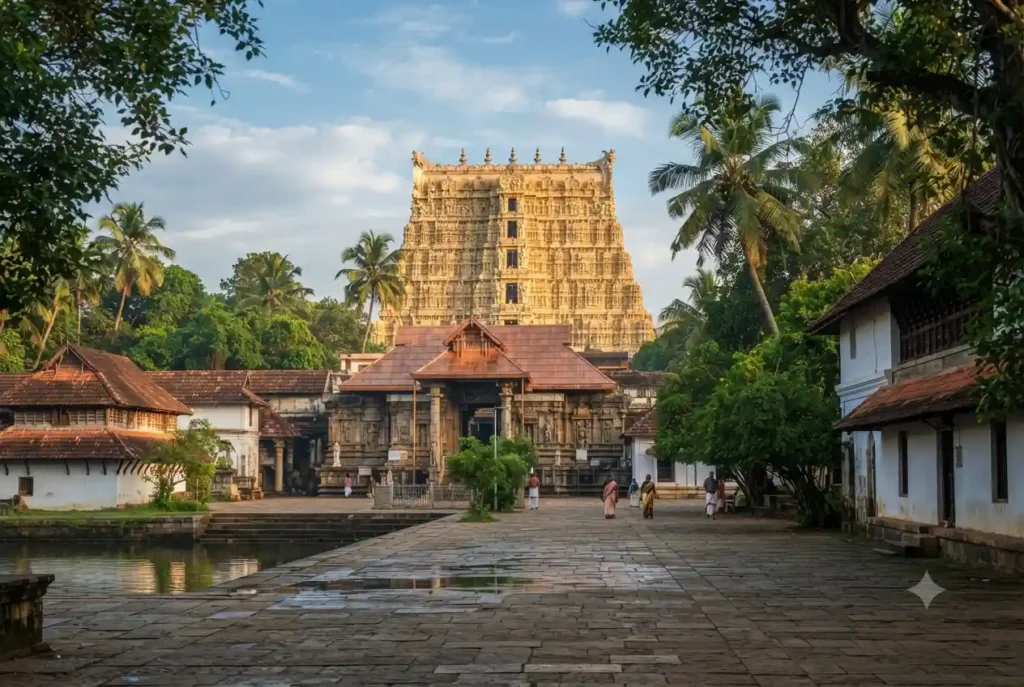
Trivandrum tourism offers a distinctive combination of heritage, spirituality, beaches, backwaters, hill landscapes, museums, traditional culture, and Kerala cuisine. Officially known as Thiruvananthapuram, Trivandrum is the capital of Kerala and an excellent starting point for travelers who want to experience both the cultural character of the state and its coastal and natural attractions.
The city is best known for the magnificent Sree Padmanabhaswamy Temple, but there is considerably more to discover. Travelers can explore historic palaces, museums, traditional markets, art collections, beaches, backwater villages, wildlife areas, and the nearby hills of Ponmudi. The famous beach destination of Kovalam is also within easy reach, making Trivandrum particularly convenient for combining a city break with a coastal holiday.
Kerala Tourism describes Thiruvananthapuram as the state’s administrative and cultural hub, highlighting its historic monuments, religious sites, beaches, backwaters, Western Ghats landscapes, and cultural heritage. Explore the official Thiruvananthapuram tourism guide for current destination information and travel resources. :contentReference[oaicite:0]{index=0}
Why Trivandrum Tourism Is Worth Exploring
Trivandrum stands apart from many Indian city destinations because its attractions are spread across several different environments. The historic center reflects the legacy of the former Travancore kingdom, while the coastline introduces beaches and fishing communities. Further east, the landscape rises toward the Western Ghats, creating opportunities for nature trips and scenic drives.
This variety makes the city suitable for several types of travelers. History enthusiasts can focus on temples, palaces, museums, and heritage streets. Families can combine sightseeing with beaches and gardens, while couples can create a slower itinerary around Kovalam, backwaters, restaurants, and cultural experiences.
Travelers interested in wellness can also find Ayurveda-related experiences in and around the coastal areas, while adventure enthusiasts can explore activities associated with beaches, hills, rivers, and nature destinations.
Sree Padmanabhaswamy Temple
Sree Padmanabhaswamy Temple is the defining landmark of Trivandrum and one of the most important religious and architectural attractions in the city. The temple is dedicated to Lord Vishnu and is closely connected with the history and identity of Thiruvananthapuram.
The temple stands within the historic East Fort area and reflects a distinctive combination of Kerala and Dravidian architectural traditions. Its monumental gateway and intricate design make the surrounding area particularly interesting for travelers who appreciate heritage architecture.
Visitors should remember that this is an active place of worship, not simply a sightseeing attraction. Entry requirements, dress rules, photography restrictions, and access arrangements should be checked before visiting, especially because rules can differ from those at ordinary monuments.
East Fort and the Historic Heart of Trivandrum
East Fort provides an excellent introduction to the city’s royal history. The area developed around the former Travancore kingdom and remains closely associated with the Sree Padmanabhaswamy Temple, royal buildings, traditional streets, and commercial areas.
The historic gateway, nearby palaces, shops, and streets create an atmosphere that feels different from modern parts of the city. Chalai Bazaar is also close by and provides an opportunity to experience a busy local market environment.
Kerala Tourism identifies East Fort as a heritage area and highlights its connection with the Travancore period, historic gateways, palaces, and cultural attractions. :contentReference[oaicite:1]{index=1}
Travelers who enjoy photography can spend several hours walking around this part of the city, particularly in the morning when the streets are active but outdoor conditions can still be relatively comfortable.
Kuthiramalika Palace
Kuthiramalika Palace, also known as the Kuthiramalika Palace Museum, provides another opportunity to explore Trivandrum’s royal heritage. The palace is associated with the Travancore royal family and is recognized for its traditional Kerala architectural features.
The building’s wooden detailing, courtyards, decorative elements, and museum collections make it a worthwhile addition for visitors interested in architecture and history.
Its location near the Padmanabhaswamy Temple also makes it convenient to combine with an East Fort heritage walk.
Napier Museum and Sri Chitra Art Gallery
Trivandrum’s museums provide a useful alternative to outdoor sightseeing, particularly during hot or rainy periods. The Napier Museum is one of the city’s best-known cultural institutions and contains collections connected with art, history, and regional heritage.
The nearby Sri Chitra Art Gallery is another important stop for visitors interested in Indian art. Together, these institutions can give travelers a deeper understanding of Kerala’s artistic traditions and the wider cultural history of the region.
Kerala Tourism lists both the Napier Museum and Kerala State Museum among the prominent places of interest in Thiruvananthapuram. :contentReference[oaicite:2]{index=2}
Kovalam: Trivandrum’s Famous Beach Escape
Kovalam is one of the biggest reasons travelers combine a Trivandrum visit with a beach holiday. Located close to the city, Kovalam is known for its crescent-shaped beaches, palm-lined coastline, scenic views, and range of leisure activities.
The beach area is generally associated with Lighthouse Beach, Hawah Beach, and Samudra Beach. Each section has a somewhat different atmosphere, allowing travelers to choose between busier areas and quieter stretches of coastline.
Kerala Tourism describes Kovalam as an internationally known beach destination and highlights activities including swimming, sunbathing, catamaran cruises, scuba diving, parasailing, cultural performances, and Ayurveda experiences. :contentReference[oaicite:3]{index=3}
Kovalam can be visited as a day trip from Trivandrum, but travelers interested in a slower beach holiday may prefer to stay in the area for several nights.
Veli Tourist Village
Veli Tourist Village offers another opportunity to experience the relationship between water, greenery, and recreation around Trivandrum. The area combines a scenic waterfront environment with boating and outdoor activities.
It can be a useful choice for families or travelers who want a relaxed afternoon away from the city’s busiest heritage areas. The attraction also works well for visitors who enjoy photography and landscapes without committing to a full-day excursion.
Kerala Tourism includes Veli Tourist Village among the attractions of Thiruvananthapuram and describes it as a picnic-oriented destination. :contentReference[oaicite:4]{index=4}
Thiruvallam Backwaters
Backwater experiences are an important part of Kerala travel, and Trivandrum provides access to them through destinations such as Thiruvallam. The area offers interconnected waterways surrounded by coconut trees and tropical scenery.
Visitors can explore the backwaters through canoe rides, kayaking, and other water-based experiences. The nearby Parashurama Temple adds a cultural dimension to the natural setting.
Thiruvallam is especially suitable for travelers who want a slower experience after several days of city sightseeing. Kerala Tourism describes the area as a serene backwater destination with houseboat cruises, canoe rides, kayaking, cultural landmarks, and scenic waterways. :contentReference[oaicite:5]{index=5}
Ponmudi: A Hill Escape Near Trivandrum
Travelers who want to exchange the coast for cooler mountain scenery can consider Ponmudi. Located in the Western Ghats, Ponmudi offers forested hills, winding roads, viewpoints, and a very different landscape from central Trivandrum.
The journey itself is part of the experience, with mountain roads creating changing views as the elevation increases. The destination can be particularly attractive to photographers, couples, and travelers who prefer nature to urban sightseeing.
Kerala Tourism identifies Ponmudi among the notable attractions associated with Thiruvananthapuram and highlights its hill setting and scenic character. :contentReference[oaicite:6]{index=6}
Peppara Wildlife Sanctuary
Peppara Wildlife Sanctuary provides another option for travelers interested in forests and wildlife. The sanctuary is located in the Western Ghats region of Thiruvananthapuram district and offers a more nature-focused experience.
Visitors should follow local forest regulations and use authorized services when required. Wildlife sightings are naturally unpredictable, so the main attraction should be the forest environment rather than expecting to see a particular animal.
Peppara works particularly well for travelers who want to combine a Trivandrum city itinerary with a day dedicated to nature.
Neyyar Wildlife Sanctuary
Neyyar Wildlife Sanctuary is another natural destination in the wider Trivandrum region. The sanctuary combines forest landscapes with a reservoir and opportunities for nature-focused activities.
It can appeal to travelers who want to experience Kerala’s biodiversity without traveling too far from the capital. Birdwatching, nature walks, scenic drives, and other outdoor experiences can add variety to a longer itinerary.
Kerala Tourism lists Neyyar and Peppara among the wildlife attractions of Thiruvananthapuram district. :contentReference[oaicite:7]{index=7}
Beaches Beyond Kovalam
Although Kovalam is the best-known beach destination near Trivandrum, travelers who prefer quieter coastal environments can explore other beaches in the district.
Valiathura Beach offers a more local coastal atmosphere, while nearby coastal villages can provide glimpses of traditional fishing life. Travelers interested in responsible tourism may find these areas more rewarding when explored respectfully rather than simply searching for resort facilities.
The wider coastline around Thiruvananthapuram combines beaches with fishing communities, temples, and small coastal settlements, giving visitors an opportunity to experience a less commercial side of Kerala’s shore.
Trivandrum Food: What to Try
Food is an important part of Trivandrum tourism. Kerala cuisine makes extensive use of rice, coconut, spices, vegetables, seafood, and locally available ingredients.
Travelers should try traditional Kerala meals served with rice and a variety of vegetable, lentil, pickle, and curry preparations. Appam with stew, puttu with curry, dosa, idli, and seafood dishes are also popular choices.
For a more distinctive local experience, visitors can look for restaurants serving traditional Thiruvananthapuram-style cuisine rather than relying exclusively on international hotel restaurants.
Kerala’s tea and coffee culture also fits naturally into a sightseeing itinerary. A relaxed café stop can provide a useful break between temple and museum visits.
Best Time for Trivandrum Tourism
Trivandrum can be visited throughout much of the year, but seasonal conditions influence which activities are most enjoyable. The city’s coastal location means warm and humid weather is common, while monsoon periods can bring substantial rainfall.
Travelers focused on beaches and outdoor sightseeing may prefer periods with more favorable weather conditions, while those who do not mind rain can experience a particularly lush version of Kerala during the monsoon.
Mountain destinations such as Ponmudi and wildlife areas may have their own seasonal considerations, so travelers should check local weather and access conditions rather than assuming that conditions in the city will be identical across the district.
For beach activities, Kerala Tourism describes Kovalam as offering swimming, boating, diving, parasailing, and other coastal experiences, but visitors should always check current sea and weather conditions before entering the water. :contentReference[oaicite:8]{index=8}
How Many Days Are Enough for Trivandrum?
A two-day trip can cover the city’s most important heritage attractions, including the Padmanabhaswamy Temple area, East Fort, Kuthiramalika Palace, Napier Museum, and selected markets.
Three to four days allow travelers to add Kovalam, Veli, or Thiruvallam without rushing through the city.
Travelers with five days or more can consider a broader itinerary that includes Ponmudi, wildlife destinations, additional beaches, and cultural experiences. This longer format works particularly well for visitors who prefer a slower pace.
Getting Around Trivandrum
Central Trivandrum attractions can be reached using local taxis, auto-rickshaws, and other city transport. Several heritage attractions are close enough to combine into a single sightseeing day.
For destinations outside the central city, such as Kovalam, Ponmudi, Thiruvallam, or wildlife areas, private transport or organized tours can provide greater flexibility.
Travelers should group destinations geographically where possible. This reduces unnecessary travel time and leaves more room for exploring each attraction.
Trivandrum Tourism for Families
Trivandrum can work well for families because the region combines cultural attractions with beaches, gardens, museums, boating, and nature experiences.
Children may particularly enjoy Kovalam, Veli Tourist Village, wildlife destinations, and outdoor attractions. Museums and historic sites can be balanced with more active experiences to prevent the itinerary from becoming overly focused on sightseeing.
Families visiting temples and religious sites should explain local customs to children beforehand, especially regarding dress, footwear, photography, and behavior.
Trivandrum Tourism for Couples
Couples can create a relaxed Trivandrum itinerary around heritage walks, beach evenings, traditional restaurants, backwater excursions, and hill trips.
Kovalam is especially convenient for couples who want to combine a city visit with a coastal stay. Thiruvallam can provide a quieter water-based experience, while Ponmudi offers a contrasting mountain setting.
Rather than filling every day with attractions, couples can leave time for slow meals, sunset views, local cafés, and unplanned exploration.
Trivandrum and the Wider Kerala Tourism Circuit
Trivandrum works particularly well as part of a wider Kerala itinerary. Travelers can begin with the capital’s temples and heritage before continuing toward beaches, backwaters, hill stations, or wildlife destinations elsewhere in the state.
For travelers already researching destinations in southern India, Trivandrum can also be combined with other regional tourism circuits. Those interested in Karnataka tourism Mysore, for example, can compare Mysuru’s royal heritage with Trivandrum’s temple architecture, coastal attractions, and Kerala cultural traditions.
Travelers should allow enough time for intercity transportation rather than attempting to cover several states within a very short holiday.
Responsible Tourism in Trivandrum
Responsible tourism is particularly important in coastal and environmentally sensitive areas around Trivandrum. Visitors should avoid littering beaches, respect fishing communities, and follow local rules around wildlife sanctuaries and protected areas.
Supporting local restaurants, guides, artisans, accommodation providers, and community tourism initiatives can help distribute tourism benefits within the destination.
Kerala Tourism’s Responsible Tourism Mission also highlights community-based experiences around Kovalam, including village life, local handicrafts, traditional fishing, handloom activities, and cultural performances. :contentReference[oaicite:9]{index=9}
Practical Tips for Visiting Trivandrum
Comfortable footwear is useful for exploring heritage areas, museums, markets, and temple surroundings. Lightweight clothing is generally practical in the city’s warm climate, while visitors should carry appropriate clothing for religious sites.
Rain protection is worth carrying when traveling during wetter periods. If your itinerary includes beaches, backwaters, or hill destinations, check local weather and operating conditions before leaving the city.
When visiting active temples and other religious sites, follow dress codes and photography restrictions. Travelers should also avoid treating local communities and religious ceremonies as staged entertainment.
For coastal activities such as boating, diving, or parasailing, use reputable operators and follow safety instructions carefully.
Final Thoughts on Trivandrum Tourism
Trivandrum tourism offers far more than a stopover before heading to Kerala’s beaches or backwaters. The city itself has a rich royal and religious heritage, while its surrounding district adds beaches, hills, forests, wildlife areas, and waterways.
The Sree Padmanabhaswamy Temple and East Fort provide a strong introduction to the city’s history, while Kuthiramalika Palace, Napier Museum, and Sri Chitra Art Gallery deepen the cultural experience.
Beyond the city center, Kovalam provides the classic coastal escape, Thiruvallam introduces travelers to peaceful backwaters, and Ponmudi offers a refreshing mountain alternative. Wildlife destinations such as Neyyar and Peppara add another dimension for nature enthusiasts.
Whether you are planning a short cultural break, a family holiday, a beach escape, or a longer Kerala journey, Trivandrum provides a flexible base with enough attractions to justify several days. Its combination of heritage, spirituality, nature, food, and coastal scenery makes it one of southern India’s most versatile travel destinations.