Armenia tourism offers an appealing mix of mountain landscapes, ancient heritage, distinctive cuisine, lively city culture, and outdoor experiences. For travelers looking beyond conventional European destinations, Armenia can provide a compact but surprisingly varied trip, with the capital Yerevan serving as a convenient base for exploring the country’s wider attractions.
One of the most important decisions when planning a trip is choosing the Armenia tourism best time to visit. The country experiences four distinct seasons, and each can create a different travel experience. Spring and summer are particularly suitable for sightseeing and outdoor activities, while autumn brings changing landscapes and cooler conditions. Winter, meanwhile, opens the door to snow-based experiences in mountain destinations.
For travelers comparing destinations across the Caucasus, Armenia can also be considered alongside Armenia vs Azerbaijan tourism. The two countries offer very different cultural, historical, and landscape experiences, making the comparison useful when planning a broader regional itinerary.
What Makes Armenia Tourism Worth Exploring?
Armenia combines a long historical tradition with a modern urban lifestyle. Its attractions range from monasteries and archaeological sites to cafés, restaurants, museums, hiking routes, mountain resorts, and countryside communities.
Yerevan is usually the starting point for international visitors. The capital combines historic architecture with contemporary cafés, restaurants, cultural venues, and evening entertainment. Beyond the city, destinations such as Lake Sevan, Dilijan, Gyumri, Jermuk, Tsaghkadzor, and Goris provide opportunities to experience a different side of the country.
The official tourism authority highlights Armenia’s combination of historical attractions, natural scenery, food, architecture, adventure activities, and nightlife, making the destination suitable for several different travel styles. The official Armenia tourism website is also useful for checking destination information and planning ideas before departure.
Armenia Tourism Best Time to Visit
The best time to visit Armenia depends on what you want from your trip. There is no single month that works perfectly for every traveler because sightseeing, hiking, photography, city breaks, and winter activities can all favor different seasons.
Spring: A Good Season for Sightseeing
Spring is one of the most attractive periods for travelers who want comfortable conditions for exploring cities and historical locations. The landscape becomes greener, flowers appear across many areas, and temperatures generally become more comfortable after winter.
April through May can be particularly appealing for travelers interested in combining cultural sightseeing with outdoor exploration. You can spend time in Yerevan before taking day trips to nearby historical and natural attractions without having to deal with the hottest summer conditions.
Spring is also useful for travelers who want a balanced itinerary. You can dedicate part of the trip to museums, architectural landmarks, and food experiences while leaving enough time for countryside excursions.
Summer: Ideal for Outdoor Adventures
Summer is a popular period for exploring Armenia’s mountains, lakes, countryside, and outdoor attractions. The official tourism information describes Armenian summers as hot and sunny, with average summer temperatures around 30°C. Mountain destinations can provide a different climate from the capital, making regional travel especially worthwhile.
Lake Sevan is particularly appealing during warmer months. Visitors can combine time around the lake with sightseeing, food, photography, and other outdoor experiences. Summer is also a strong choice for travelers interested in hiking and exploring Armenia’s natural landscapes.
However, travelers who prefer cooler weather may find late spring or early autumn more comfortable for long sightseeing days.
Autumn: Cooler Weather and Scenic Landscapes
Autumn is an excellent choice for travelers who prefer mild conditions and a more relaxed atmosphere. September and October can be especially attractive for exploring cities, countryside destinations, and cultural sites.
The changing colors of the landscape can add another dimension to road trips and photography. Autumn also works well for travelers interested in Armenia’s food and wine culture, particularly when building an itinerary around local restaurants, markets, and regional experiences.
For many visitors, autumn offers a useful middle ground between summer’s warmer conditions and winter’s colder weather.
Winter: A Different Side of Armenia
Winter transforms Armenia’s mountainous areas into destinations for snow and cold-weather experiences. Tsaghkadzor is particularly associated with winter activities, while destinations such as Dilijan and Jermuk can offer a quieter atmosphere surrounded by winter scenery.
Yerevan itself can remain appealing during winter because visitors can combine museums, restaurants, cafés, cultural attractions, and evening activities without relying entirely on outdoor sightseeing.
Winter is therefore a strong option for travelers who enjoy snow, mountain resorts, cozy cafés, and a slower city-break experience.
Top Places to Explore During Armenia Tourism Trips
Although Armenia is relatively compact, it offers enough variety to build an itinerary around several different destinations.
Yerevan
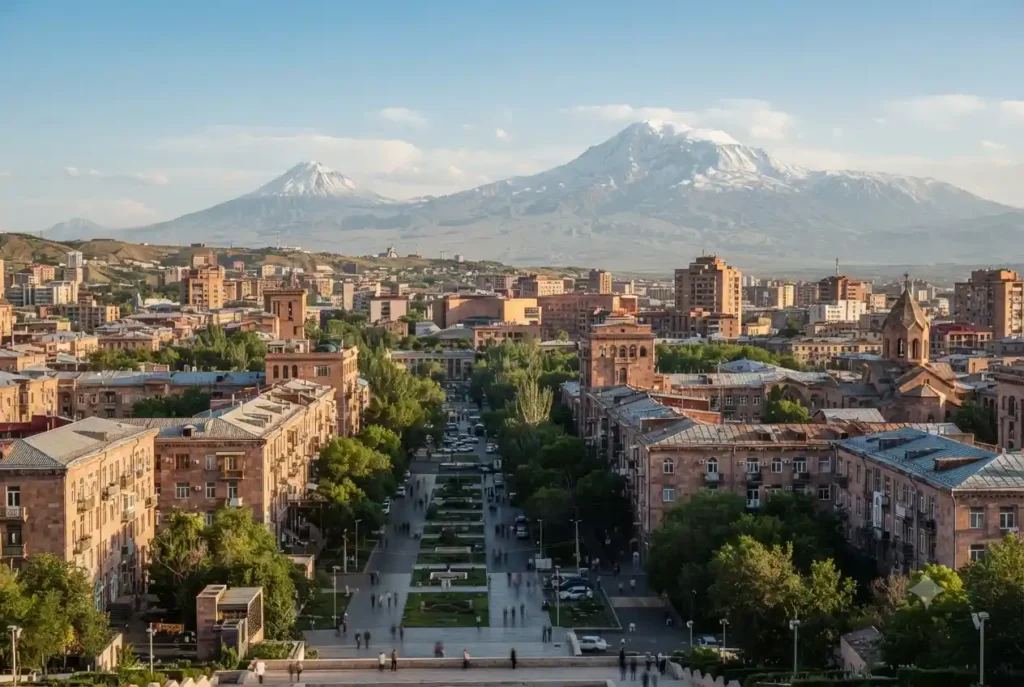
Yerevan is the country’s cultural and urban center and is an obvious starting point for first-time visitors. Republic Square, the Cascade Complex, museums, markets, parks, cafés, and historic streets provide plenty to explore.
The city is also useful as a base because its restaurant and café culture gives travelers an easy way to experience Armenian food and contemporary local life between sightseeing trips.
Lake Sevan
Lake Sevan is one of Armenia’s most recognizable natural attractions. Its large mountain setting creates a strong contrast with the urban atmosphere of Yerevan. A visit can be combined with scenic drives, lakeside stops, local food, and nearby cultural attractions.
Dilijan
Dilijan is known for its forested surroundings and mountain atmosphere. It can be a good addition for travelers looking for nature, walking opportunities, and a break from the capital. Its landscape also makes it particularly attractive for photographers and travelers who prefer quieter destinations.
Gyumri
Gyumri provides a different urban experience from Yerevan. Its historic character, creative atmosphere, architecture, and local culture make it worthwhile for travelers who want to see beyond Armenia’s capital.
Tsaghkadzor
Tsaghkadzor is especially relevant to winter travelers. The mountain resort offers opportunities for snow-related activities while also providing a scenic setting for visitors who simply want to experience Armenia during the colder months.
Armenia Tourism Nightlife: What to Expect After Dark
Armenia tourism nightlife is centered largely around Yerevan, where visitors can find cocktail bars, pubs, cafés, live music venues, jazz clubs, restaurants, and cultural performances.
Saryan Street is associated with Yerevan’s wine culture, while Parpetsi and Pushkin Streets are known for their concentration of pubs and evening venues. The city’s nightlife is not limited to large clubs; travelers can choose from relaxed cafés, rooftop settings, live music, cultural events, and late-night dining.
The official Armenia tourism portal describes Yerevan as having a lively evening scene that includes cocktail bars, jazz clubs, festivals, cultural performances, and the dancing fountains at Republic Square. This makes the capital suitable for travelers who want their itinerary to continue after traditional sightseeing hours.
Travelers who prefer a quieter evening can choose a restaurant, café, cultural performance, or walk through central Yerevan rather than focusing on clubbing. This flexibility is one of the stronger aspects of the city’s nightlife.
How to Plan an Armenia Tourism Itinerary
A practical Armenia itinerary should avoid trying to cover every destination in a short trip. Instead, divide the journey between the capital and a few carefully selected regional destinations.
For a shorter visit, Yerevan can serve as the main base with selected day trips. A longer journey can include Lake Sevan, Dilijan, Gyumri, Tsaghkadzor, Jermuk, or southern destinations depending on the season and travel interests.
When selecting destinations, consider the weather as well as travel time. A summer itinerary can place greater emphasis on lakes, hiking, and countryside exploration, while a winter trip may focus more heavily on Yerevan and mountain resorts.
Food and Cultural Experiences in Armenia
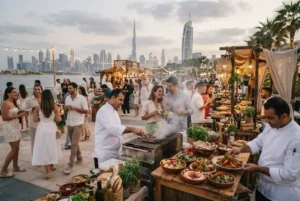
Food is an important part of the Armenia tourism experience. Visitors can find traditional dishes such as tolma, harissa, ghapama, grilled meats, fresh breads, cheeses, and regional specialties. Yerevan also has a growing contemporary restaurant and café scene, allowing travelers to experience both traditional and modern interpretations of Armenian cuisine.
Markets can add another layer to the trip, particularly for visitors interested in local products, handmade items, dried fruits, sweets, and traditional crafts.
Cultural attractions should also be part of the itinerary. Armenia’s historic churches, monasteries, museums, archaeological locations, and traditional communities provide context for understanding the country’s history rather than simply viewing it as a scenic destination.
Is Armenia Suitable for Different Types of Travelers?
Armenia can work for several travel styles. Couples may enjoy Yerevan’s restaurants, cafés, cultural venues, and scenic countryside. Families can combine city attractions with nature-based excursions. Adventure travelers can focus on hiking and mountain destinations, while history enthusiasts can dedicate more time to monasteries, museums, archaeological sites, and heritage locations.
It can also suit travelers who prefer shorter international breaks. Because Yerevan offers a combination of urban attractions and access to regional destinations, visitors do not necessarily need a long holiday to experience a meaningful selection of Armenia’s highlights.
Final Thoughts on Armenia Tourism
The best approach to Armenia tourism is to choose the season around your priorities rather than simply searching for one universally perfect travel period. Spring and summer are strong choices for outdoor exploration, autumn offers comfortable sightseeing and changing scenery, while winter introduces snow and mountain experiences.
Yerevan provides the strongest introduction to the country, but adding destinations such as Lake Sevan, Dilijan, Gyumri, or Tsaghkadzor can make the journey considerably more varied. The city’s nightlife, food scene, cultural venues, and cafés also mean that Armenia can offer more than historical sightseeing.
For travelers building a wider international travel plan, Armenia can also be considered alongside destinations such as Australia tourism places when comparing very different styles of holiday. Within the Caucasus region, meanwhile, comparing Armenia with Azerbaijan can help travelers decide which destination better matches their interests.
Ultimately, Armenia works best when approached as a combination of culture, landscapes, food, city life, and regional exploration. Choosing the right season and balancing Yerevan with destinations beyond the capital can turn a simple visit into a much richer travel experience.