
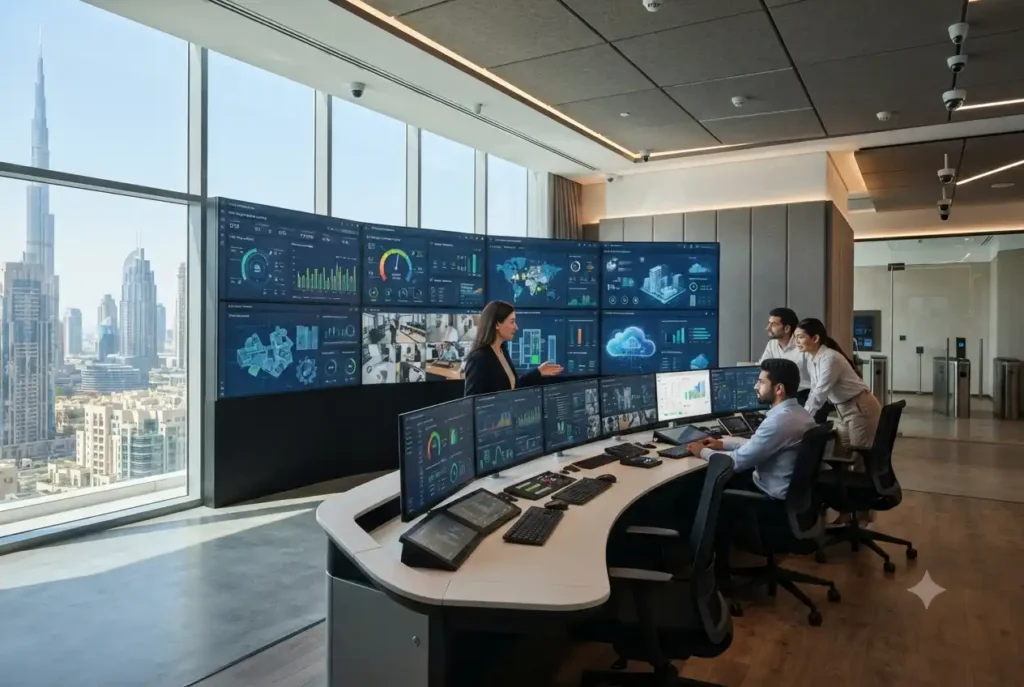
Real estate has traditionally depended on physical assets, paperwork, property managers, contractors, tenants, and face-to-face processes. Today, technology is changing how properties are marketed, purchased, managed, maintained, secured, and occupied. This growing field is commonly known as property technology, or PropTech.
Property technology brings together software, connected devices, automation, data analytics, cloud platforms, artificial intelligence, digital payments, smart building systems, and other technologies designed to improve real estate processes. Its applications range from online property platforms to sophisticated building management systems that monitor energy use and equipment performance.
The importance of property technology extends across residential, commercial, industrial, hospitality, and mixed-use developments. As property owners and operators look for better efficiency and customer experiences, digital systems are becoming an increasingly important part of real estate strategy.
What Is Property Technology?
Property technology refers to technology solutions designed to support activities across the real estate lifecycle. This can include property discovery, sales, leasing, tenant management, building operations, maintenance, security, payments, construction, investment analysis, and asset management.
Some PropTech solutions are relatively simple, such as online rental platforms or digital maintenance-request systems. Others involve complex networks of sensors, building automation systems, cloud applications, analytics platforms, and connected equipment.
The broader objective is to use technology to make property-related processes more efficient, transparent, convenient, and measurable.
Why Property Technology Matters
Property owners and managers deal with large amounts of information. Lease details, tenant requests, maintenance records, energy consumption, access information, financial transactions, contractor activity, and building performance all need to be managed effectively.
Traditional processes can make this information difficult to coordinate. Paper records, spreadsheets, disconnected applications, and manual communication can create delays and increase the possibility of errors.
Property technology can bring many of these processes into connected digital environments. This can make information easier to access while giving property teams greater visibility into daily operations.
Key Areas of Property Technology
Digital Property Management
Property management software can centralize information about buildings, units, tenants, leases, payments, maintenance, and communications. This can help property teams coordinate activities without relying on numerous disconnected records.
Digital property management can also improve communication between tenants, property managers, maintenance teams, and owners. Requests can be logged, assigned, tracked, and updated through structured workflows.
Smart Buildings
Smart building technology connects physical infrastructure with digital monitoring and control systems. Sensors can collect information about temperature, occupancy, lighting, energy use, air quality, and equipment performance.
Building management platforms can use this information to help operators understand how a property is performing. In some cases, systems can automatically adjust building equipment according to predefined conditions.
Property Marketing
Digital platforms have changed how properties are discovered and marketed. High-quality photography, virtual tours, online listings, digital advertising, mapping tools, and customer relationship platforms can help property professionals reach prospective buyers and tenants.
Digital marketing also produces data that can help businesses understand which listings attract attention and how prospects interact with online property information.
Tenant Experience
Technology can improve the tenant experience by making common interactions more convenient. Tenants may be able to submit maintenance requests, make payments, communicate with property teams, reserve shared facilities, or access buildings through digital platforms.
The exact capabilities depend on the property and technology environment, but the broader goal is to reduce friction in everyday interactions.
Property Technology and Smart Buildings
Smart buildings are one of the most visible applications of property technology. Connected sensors and building systems can provide information about how spaces are being used and how equipment is performing.
For example, occupancy sensors can provide information about how frequently certain spaces are being used. Energy monitoring can help building operators understand electricity consumption. Equipment sensors can provide operational information that may support maintenance planning.
These technologies can create a more data-driven approach to building management. However, smart building systems should be designed carefully to ensure that devices communicate securely and that collected information is managed appropriately.
Property Technology and Automation
Automation can reduce manual work across property operations. Routine activities such as notifications, maintenance assignments, access management, payment reminders, and reporting can potentially be automated when the underlying processes are predictable and appropriate for automation.
This creates a strong connection with automation technology. Property businesses can use automation to streamline workflows while keeping human staff responsible for decisions that require judgment or personal interaction.
For example, a maintenance platform might automatically route a request to the appropriate technician based on property location and issue type. The system can then provide updates to relevant parties while staff members remain responsible for complex repairs or tenant concerns.
Property Data and Analytics
Property technology generates significant amounts of data. Owners and operators can collect information about occupancy, rent, maintenance, energy consumption, tenant requests, building performance, and financial activity.
When this information is organized properly, analytics can help property professionals identify patterns and support decisions. Owners may examine operational costs, managers may evaluate maintenance activity, and facility teams may investigate unusual energy consumption.
Large property portfolios can generate particularly complex datasets. Organizations managing these environments can benefit from principles associated with big data technology, including scalable data management, analytics, integration, and governance.
Property Technology and Procurement
Real estate operations often depend on external suppliers for construction, repairs, cleaning, security, landscaping, equipment, and other services. Managing these relationships can involve substantial administrative work.
Digital procurement platforms can help organize supplier information, purchasing requests, approvals, contracts, invoices, and performance records. Procurement technology systems can therefore become an important part of a broader property technology strategy.
For large property organizations, digital procurement can provide greater visibility into purchasing activity and help standardize processes across multiple properties.
Digital Payments in Real Estate
Payments are another area where technology has changed property operations. Digital payment systems can support rent collection, service charges, deposits, invoices, vendor payments, and other transactions.
Electronic payment processes can reduce manual administration and make transaction records easier to organize. They can also provide tenants and customers with more convenient payment options.
Security remains important, particularly when financial information is involved. Property businesses should ensure that payment platforms and connected systems use appropriate security controls and comply with relevant requirements.
Property Technology and Security
Security is an important part of modern property management. Buildings can use access-control systems, surveillance cameras, visitor management platforms, alarms, smart locks, and other technologies to manage physical security.
Digital property systems can connect some of these technologies, creating better visibility for building operators. For example, access-control information may be combined with building management platforms to understand occupancy patterns or support security investigations.
Organizations considering broader protection strategies can also explore advanced security technologies to understand how modern security systems integrate digital monitoring, access control, cybersecurity, and intelligent protection.
Artificial Intelligence in Property Technology
Artificial intelligence is becoming increasingly relevant to real estate technology. AI can assist with tasks such as document analysis, customer communication, property recommendations, forecasting, image analysis, and data interpretation.
Property businesses can potentially use AI to identify patterns across large datasets that would be difficult to review manually. However, AI outputs should be evaluated carefully, particularly when they influence financial, legal, leasing, or investment decisions.
Good data governance remains essential. AI systems are only as reliable as the information and processes supporting them.
Benefits of Property Technology
Improved Efficiency
Digital workflows can reduce repetitive administrative tasks and make information easier to access. This can allow property teams to spend more time on activities that require human attention.
Better Visibility
Centralized systems can provide owners and managers with a clearer view of property performance, maintenance activity, tenant interactions, and financial information.
Enhanced Tenant Experience
Digital services can make common interactions faster and more convenient, particularly when tenants can access information or submit requests without relying entirely on manual communication.
More Informed Decisions
Analytics can provide insights into building performance, occupancy, costs, maintenance, and other operational factors. This can support more evidence-based decision-making.
Scalable Operations
Digital systems can help property businesses manage larger portfolios without increasing administrative work at the same rate. Scalability depends on appropriate system design and integration.
Challenges of Property Technology
Integration
Properties may contain equipment and systems from different vendors and generations. Connecting these technologies can be technically challenging.
Data Security
Property systems may handle personal information, access credentials, financial records, and operational data. Strong security and access management are therefore essential.
Legacy Infrastructure
Older buildings may not have been designed around connected technology. Retrofitting sensors, controls, and communication systems can require additional investment and planning.
Employee Adoption
Property teams need to understand how new systems fit into their daily work. Training and clear processes can improve adoption and reduce confusion.
Technology Costs
Property technology requires investment in hardware, software, connectivity, implementation, maintenance, and support. Organizations should evaluate expected value rather than adopting technology simply because it is available.
How to Choose Property Technology
Property owners and managers should begin by identifying the operational problems they want to solve. This could involve slow maintenance processes, limited energy visibility, inefficient tenant communication, fragmented data, or difficulty managing multiple properties.
Next, organizations should assess their existing systems. Understanding current software, building equipment, communication infrastructure, and data sources can help identify compatibility requirements.
Scalability should also be considered. A technology platform suitable for one building may need different capabilities when deployed across a large portfolio.
Security should be included from the beginning. Connected building systems can become part of the organization’s broader technology environment, making authentication, access controls, software updates, network design, and monitoring important considerations.
The Future of Property Technology
Property technology is likely to become increasingly connected as buildings adopt more sensors, automation, AI, digital services, and energy management systems.
Future property environments may rely on integrated platforms that connect tenants, owners, facilities teams, security systems, energy infrastructure, suppliers, and financial processes. This can create a more complete digital representation of how a property operates.
The challenge will be maintaining simplicity and security while adding new capabilities. Successful PropTech strategies will therefore focus not only on innovation but also on integration, usability, data governance, and measurable business outcomes.
Closing Remarks
Property technology is changing real estate by connecting physical buildings with digital systems, data, automation, and intelligent services. From smart buildings and digital property management to procurement, payments, tenant services, and security, technology can improve many parts of the property lifecycle.
The strongest approach is to begin with practical operational needs and introduce technology where it can create measurable value. By choosing scalable systems, prioritizing security, integrating existing infrastructure, and keeping the user experience at the center, property businesses can build more efficient and connected operations for the future.
“`