
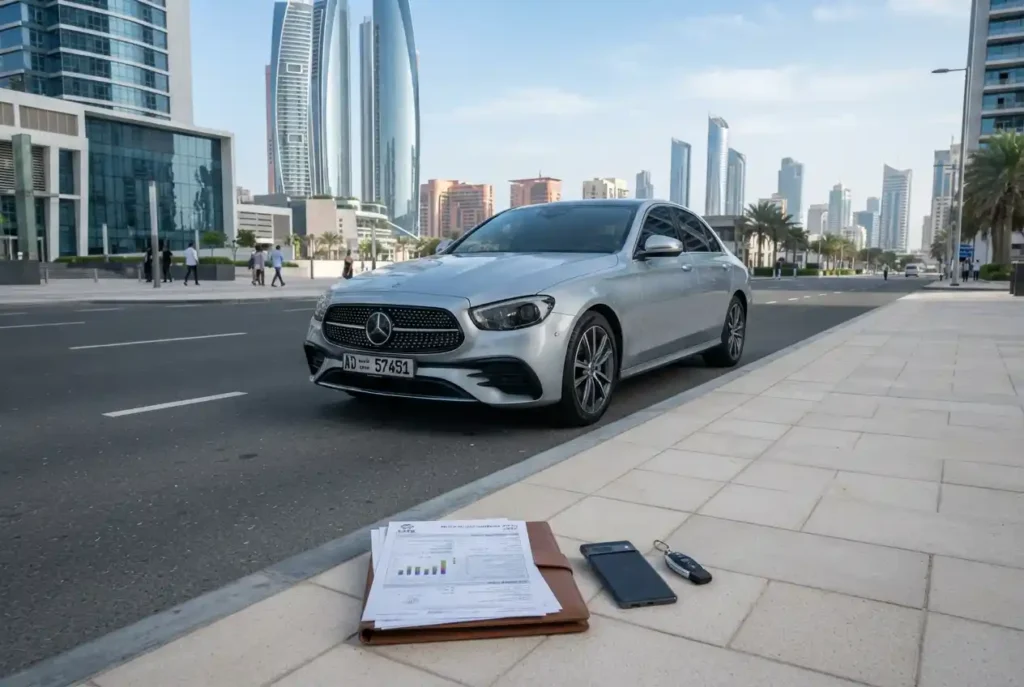
Al Ittihad Al Watani car insurance is a motor insurance option that UAE drivers may encounter when comparing providers and vehicle protection plans. Choosing the right car insurance requires a clear understanding of the available coverage, policy conditions, repair arrangements, deductibles, claims process, and additional benefits.
For motorists, the right policy is not necessarily the one with the lowest premium. The value of insurance depends on how well the coverage matches the vehicle, the driver’s circumstances, and the financial risks they want to protect against.
This guide explains what to consider when researching Al Ittihad Al Watani car insurance in the UAE, including motor coverage, comprehensive and third-party protection, quotations, claims, documents, and comparisons with other UAE insurers.
What Is Al Ittihad Al Watani Car Insurance?
Al Ittihad Al Watani is associated with UAE insurance services and motor insurance products available to vehicle owners. When researching the company or an existing policy, motorists should verify the current product name, policy provider, coverage terms, and servicing channel shown on their official documents.
Motor insurance generally falls into two broad categories: comprehensive insurance and third-party liability insurance. Understanding the difference between these options is essential before selecting a policy.
Comprehensive insurance can provide protection for the insured vehicle as well as third-party liabilities, subject to the policy conditions. Third-party insurance primarily addresses covered liabilities toward other parties and does not provide the same own-vehicle protection.
Why Car Insurance Matters in the UAE
Car insurance is an important part of vehicle ownership in the UAE because motorists need appropriate liability protection before using their vehicles on public roads. Insurance also provides financial protection against covered risks, depending on the type of policy selected.
For a driver, an accident can create expenses involving vehicle repairs, third-party property damage, or injury-related liability. The appropriate insurance policy can help manage covered financial risks according to its terms.
This is why comparing insurance should involve more than the annual price. Coverage limits, exclusions, deductibles, repair arrangements, and claims procedures can all affect the practical value of a policy.
Comprehensive Car Insurance
Comprehensive motor insurance is designed to provide broader protection than third-party cover. Depending on the policy, it can cover damage or loss affecting the insured vehicle as well as third-party liability.
Comprehensive insurance is often considered by owners of newer or more valuable vehicles. If the vehicle is involved in an accident, the cost of repairing modern cars can be significant, making own-damage protection an important consideration.
When reviewing a comprehensive policy, check whether it includes agency or non-agency repair, the applicable deductible, vehicle valuation, geographical coverage, roadside assistance, and other benefits.
Agency Repair
Agency repair means that eligible accident repairs can be carried out through a vehicle manufacturer’s authorised workshop. This can be particularly attractive to owners of new vehicles who prefer repairs through an official dealer or manufacturer network.
Agency repair is not automatically included in every motor insurance policy. Drivers should check whether their particular vehicle qualifies and whether the benefit is included in the quotation or available as an optional feature.
Non-Agency Repair
Under non-agency repair arrangements, the insurer directs the vehicle to an approved or authorised repair workshop rather than the manufacturer’s agency.
This can be appropriate for older vehicles or for drivers who prioritise a lower insurance cost. Before choosing this option, confirm the available workshop network and repair conditions.
Third-Party Car Insurance
Third-party car insurance focuses on the driver’s liability toward other parties for covered damage or injury. It is different from comprehensive insurance because it does not provide equivalent protection for damage to the policyholder’s own vehicle.
Third-party cover can be attractive to drivers who want to manage their annual insurance cost, particularly when the vehicle is older and has a lower market value.
However, drivers should consider the financial consequences carefully. If their own vehicle is damaged in an incident for which they do not have own-damage protection, they may need to pay for repairs themselves.
What Can Motor Insurance Cover?
The exact protection available under Al Ittihad Al Watani car insurance depends on the policy and its terms. As with other UAE motor policies, motorists should examine the actual policy wording instead of assuming that every possible risk is automatically covered.
Depending on the selected policy, motor insurance may address risks such as:
- Accidental damage to the insured vehicle
- Third-party property damage liability
- Third-party bodily injury liability
- Theft, where included
- Fire-related damage, where covered
- Roadside assistance, if included
- Vehicle recovery services, where applicable
- Other optional motor benefits
Coverage limits, exclusions, deductibles, and eligibility conditions can affect each benefit, so these details should be checked before purchase.
How Much Does Al Ittihad Al Watani Car Insurance Cost?
There is no universal price for Al Ittihad Al Watani car insurance. Motor premiums can vary depending on the vehicle, driver, coverage type, claims history, location, vehicle value, and other underwriting factors.
A comprehensive policy will generally provide broader protection than a basic third-party policy, so the two should not be compared solely by price.
When requesting a quotation, provide accurate vehicle and driver information. This allows the insurer to assess the policy according to the actual circumstances instead of producing a misleading estimate based on incomplete information.
What Information Do You Need for a Car Insurance Quote?
Preparing your documents before requesting insurance can make the process faster and reduce mistakes.
Vehicle Details
Have your vehicle registration information available. Depending on the insurer’s quotation process, you may need the make, model, manufacturing year, registration number, chassis number, vehicle value, and other identifying details.
For a new vehicle, purchase documentation and specifications can be useful. For an existing vehicle, the registration card and previous insurance information can help provide accurate details.
Driver Details
Driver information can also affect the quotation. This may include driving licence information, age, driving experience, location, nationality, and previous claims or insurance history, depending on the insurer’s requirements.
Providing accurate information is essential. If the details used to arrange the policy do not reflect the actual circumstances, there can be complications during claims assessment or policy administration.
Car Insurance for New Vehicles
New vehicle owners should pay close attention to comprehensive coverage and repair arrangements. The higher value of a new car can make own-damage protection particularly important.
Agency repair may also be worth considering if you want eligible accident repairs to be completed through a manufacturer’s authorised workshop. Ask about the eligibility period, vehicle requirements, and any additional premium before selecting this option.
If the vehicle is financed, check whether the financing institution has insurance requirements that must be reflected in the policy.
Car Insurance for Older Vehicles
Owners of older vehicles may have different priorities. As a car’s market value decreases, some drivers decide that third-party insurance provides an appropriate balance between liability protection and annual cost.
However, the age of a vehicle does not automatically mean comprehensive insurance is unnecessary. Compare the premium with the likely cost of repairs and consider how much financial risk you are willing to retain yourself.
If comprehensive insurance remains available at a reasonable price, it can still be worth comparing with third-party cover.
Understanding the Insurance Deductible
The deductible, often called an excess, is the amount the policyholder may have to contribute toward an eligible claim, depending on the policy terms.
This figure should be considered alongside the premium. Two policies can have similar annual prices while imposing different deductibles, which can make one significantly more expensive to use after an accident.
Before buying, ask how the deductible applies to different types of claims and whether special excesses apply to particular situations.
Al Ittihad Al Watani Car Insurance Claims
The claims process is one of the most important parts of motor insurance. After an accident, drivers should first follow the applicable UAE police and road-safety procedures before notifying the insurer according to their policy requirements.
Keep important documents available, including your vehicle registration, driving licence, identification, insurance policy, and accident or police report where applicable.
Report the Accident
Notify the insurer through the appropriate claims channel as soon as reasonably possible. Provide accurate details about the incident and follow the instructions given by the insurer.
Vehicle Assessment
Depending on the nature of the claim, the vehicle may need to be inspected before repairs are authorised. Follow the insurer’s instructions regarding inspection and approved repair facilities.
Repair Authorisation
Do not assume that you can start major repairs independently and then recover the entire cost. Check whether the insurer requires prior approval, a vehicle assessment, or repairs through a designated garage.
Documents to Keep Ready
Having your insurance and vehicle documents organised can make the process of renewing a policy or making a claim much easier.
- Emirates ID
- Valid driving licence
- Vehicle registration card
- Current insurance policy
- Insurance certificate or schedule
- Police or accident report, where applicable
- Payment confirmation
- Previous insurance information
Some claims may require additional documentation depending on the circumstances. Follow the insurer’s instructions for the specific incident.
How to Compare Al Ittihad Al Watani Car Insurance
Comparing a motor insurance provider requires looking at the complete policy rather than just the company name. Start with the coverage type and then examine the deductible, vehicle value, repair arrangement, claims procedure, exclusions, and additional benefits.
It can also be useful to compare individual providers within the same UAE insurance cluster. For example, you can explore Salama car insurance, Orient motor insurance, and RAK car insurance to understand how different insurers approach motor coverage.
If you are starting from the basics, our guide to how to do car insurance in the UAE explains the overall process of preparing documents, comparing policies, and arranging vehicle insurance.
Questions to Ask Before Buying
Before purchasing a policy, ask questions that relate directly to your vehicle and driving habits.
- Is my vehicle eligible for comprehensive coverage?
- What is the insured value of my vehicle?
- What deductible applies?
- Is agency repair available?
- Which workshops are approved?
- Is roadside assistance included?
- What geographical coverage is provided?
- What are the main exclusions?
- How should I report a claim?
- Which documents are required after an accident?
Getting clear answers before payment can prevent misunderstandings and make it easier to compare the policy with competing quotations.
How to Get Better Value From Car Insurance
The best way to control insurance costs is to match the coverage to your actual requirements rather than simply selecting the cheapest available option.
For a new or valuable vehicle, comprehensive protection may provide better financial security. For an older vehicle, third-party insurance may be sufficient if you are comfortable carrying the cost of repairs to your own car.
Review the deductible as well. A policy with a lower annual premium may become less attractive if the deductible is high when you need to make a claim.
It is also worth reviewing your policy whenever your circumstances change. A new vehicle, change in usage, different residence, or regular cross-border travel can all affect your insurance requirements.
Al Ittihad Al Watani Car Insurance and UAE Motor Insurance
Motorists have several options when comparing car insurance in the UAE. The right choice depends on the individual policy rather than simply selecting the insurer with the most recognisable name.
When comparing Al Ittihad Al Watani car insurance with other providers, use the same criteria for each quotation. Compare coverage limits, deductibles, repair arrangements, additional benefits, exclusions, claims support, and total premium.
This creates a more meaningful comparison and makes it easier to identify the policy that offers the most relevant protection for your particular vehicle.
Main Takeaways
Al Ittihad Al Watani car insurance is an option UAE motorists can investigate when comparing vehicle protection. As with any motor insurance policy, the key is to understand exactly what the policy covers and what conditions apply before purchasing.
Comprehensive and third-party insurance serve different purposes, while factors such as vehicle value, repair arrangements, deductible, roadside assistance, exclusions, and claims procedures can significantly affect the policy’s practical value.
Take time to compare the actual policy terms and obtain accurate quotations based on your vehicle and driving circumstances. A careful comparison can help you choose car insurance that provides suitable protection without paying for benefits you do not need.







