
“`html id=”educational-institutions”
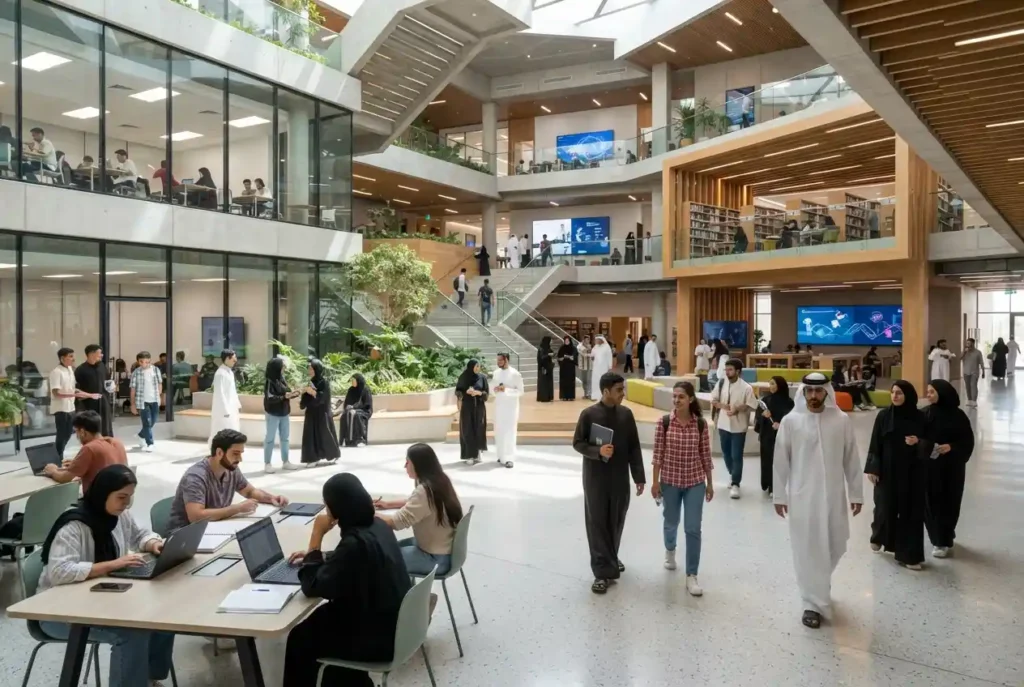
Educational institutions provide structured learning opportunities for children, young people, and adults at different stages of their academic and professional development. They include schools, colleges, universities, vocational centers, training providers, nurseries, and specialized learning organizations. While these institutions have different purposes, they share a common responsibility: creating environments where learners can develop knowledge, skills, confidence, and qualifications.
Choosing an educational institution is an important decision for students and families. The right choice can depend on the learner’s age, academic interests, preferred curriculum, location, budget, career plans, and learning needs. For UAE residents, the decision can involve additional considerations because the country has a diverse education landscape with local and international institutions serving students from many backgrounds.
Modern educational institutions are also becoming increasingly digital. Technology now influences admissions, student records, communication, teaching, assessment, finance, scheduling, and institutional planning. Understanding these changes can help students, parents, educators, and administrators make better education decisions.
What Are Educational Institutions?
Educational institutions are organizations established to provide teaching, learning, training, research, or related educational services. Their structure and responsibilities depend on the level and type of education they provide.
A nursery may focus primarily on early childhood development, while a school provides primary or secondary education. Colleges and universities offer higher education and specialized qualifications, while vocational institutions may concentrate on practical and career-oriented skills.
Some institutions serve a specific age group or subject area, while others offer education across several levels. International schools may also follow specific curricula designed around educational systems from other countries.
Types of Educational Institutions
Understanding the different types of institutions can help students and families identify the most appropriate options.
Early Childhood and Nursery Institutions
Early-years institutions provide learning and development opportunities for young children before or during the beginning of formal schooling. Their programs can support language, communication, social development, early numeracy, physical development, creativity, and independence.
The quality of the learning environment is particularly important at this stage. Parents should consider teacher qualifications, safety, facilities, learning approaches, communication with families, and how the institution supports individual children.
Schools
Schools provide primary and secondary education and may follow different curricula. In the UAE, families can find institutions offering British, American, International Baccalaureate, Indian, Pakistani, and other educational pathways.
The curriculum can influence subjects, assessment methods, qualifications, teaching approaches, and the transition options available after graduation. Families should therefore investigate the complete academic pathway rather than selecting a school based only on location or reputation.
Colleges and Universities
Higher education institutions provide undergraduate, postgraduate, professional, and research opportunities. Universities may also operate research centers, laboratories, libraries, innovation programs, and partnerships with businesses or international institutions.
Students choosing a university should examine the specific program rather than evaluating the institution as a whole. Accreditation, curriculum, faculty, facilities, internship opportunities, career services, and qualification recognition can all be relevant.
Vocational and Technical Institutions
Vocational institutions focus on practical knowledge and career-oriented skills. Programs may cover technology, engineering, healthcare, hospitality, business, construction, design, and other professional areas.
These institutions can provide valuable alternatives to conventional academic pathways, particularly for learners who prefer practical education and direct preparation for specific occupations.
Training and Professional Education Providers
Adult learners and working professionals may use specialized training institutions to develop new skills or maintain professional knowledge. These providers can offer short courses, certifications, workshops, executive education, and other forms of continuing learning.
For professionals, the value of a training provider often depends on the relevance of the course, instructor expertise, practical content, recognition of the qualification, and how well the program fits the learner’s career objectives.
Educational Institutions in Sharjah
Educational institutes in Sharjah form part of the emirate’s broad education environment, which includes schools, universities, colleges, training centers, and specialized institutions. Students and families considering institutions in Sharjah should compare options according to the specific stage and type of education they need.
For school-age children, parents may want to compare curriculum, school facilities, teacher qualifications, transportation, extracurricular activities, fees, and inspection or regulatory information where applicable.
For higher education, students should additionally consider accreditation, degree recognition, faculty expertise, research opportunities, internships, campus facilities, and graduate career pathways.
How to Choose the Right Educational Institution
There is no universally best educational institution. The right choice depends on the learner and the purpose of the education.
Start With Learning Goals
Before comparing institutions, identify what the student wants to achieve. A child may need a strong primary education foundation, while a university student may be looking for a specific professional qualification.
Career goals should also be considered when appropriate. Students interested in medicine, engineering, law, technology, business, or creative industries may need to select institutions with appropriate programs and facilities.
Compare Curriculum and Programs
Curriculum is one of the most important factors when comparing schools. Families should understand what students will study, how they will be assessed, and which qualifications they can obtain.
University students should review individual course modules rather than relying solely on the degree title. A program’s electives, practical projects, internships, research opportunities, and assessment structure can have a significant impact on the learning experience.
Evaluate Faculty and Teaching Quality
Teachers and academic staff have a direct influence on learning. Where information is available, investigate faculty qualifications, teaching experience, research activity, professional backgrounds, and student support.
For schools, classroom size, teacher stability, professional development, and approaches to student support can also provide useful information.
Consider Location and Accessibility
Location can affect the daily education experience, particularly for younger students. Families should consider commuting time, transportation, school schedules, and accessibility.
For university students, location can also influence accommodation, living expenses, internship access, and opportunities to participate in professional or cultural activities.
The Role of Technology in Educational Institutions
Technology has become an important part of modern education administration. Institutions may use digital platforms for admissions, attendance, student records, scheduling, communication, assessment, learning management, and financial administration.
Technology can reduce repetitive administrative work and make information easier to access. However, systems should be selected according to actual institutional needs rather than simply because they offer a large number of features.
The wider development of global education management systems shows how digital platforms are increasingly connecting administrative and academic processes across modern education organizations.
Accounting Software for Educational Institutions
Financial management is another important part of running an education organization. Schools, colleges, universities, and training providers may need to manage tuition payments, payroll, expenses, purchasing, budgets, invoices, scholarships, and financial reporting.
Accounting software for educational institutions can help organize these processes by bringing financial information into a structured digital environment. Depending on the institution’s needs, software may support invoicing, payment tracking, expense management, budgeting, reporting, and integration with other administrative systems.
When selecting financial software, institutions should consider the number of users, reporting requirements, integration options, security, data access, support, and applicable accounting and regulatory requirements.
Student Support Services
Educational quality is not limited to classroom teaching. Strong institutions also provide services that help students manage academic and personal challenges.
Depending on the institution, support can include counseling, academic advising, learning support, career guidance, health services, extracurricular activities, disability support, library services, and technology assistance.
Parents and students should ask what support is available before enrolling, especially when a learner has specific educational or accessibility requirements.
Educational Institutions and Student Well-Being
A positive learning environment can influence how students engage with education. Institutions should create environments where learners feel safe, respected, included, and able to ask for help when necessary.
Well-being can be supported through clear policies, trained staff, counseling services, positive relationships, extracurricular activities, and appropriate communication between institutions and families.
Parents can gain useful insight by asking how an institution handles student concerns, bullying, safeguarding, attendance issues, academic difficulties, and communication with families.
How Parents Can Evaluate a School
Parents can begin by creating a shortlist based on location, curriculum, budget, and the child’s learning requirements. From there, visiting institutions can provide information that may not be obvious from websites or brochures.
During a visit, observe classrooms, common areas, libraries, laboratories, sports facilities, technology resources, and the general learning environment. Ask questions about teacher qualifications, class sizes, assessment, student support, extracurricular opportunities, and communication with parents.
It is also useful to review official inspection or regulatory information where available. Independent information can provide additional context when comparing institutions.
How Students Can Evaluate Universities
University applicants should compare several institutions before making a decision. A useful comparison can include program content, accreditation, tuition, scholarships, faculty, research, internships, career services, campus facilities, accommodation, and graduate opportunities.
Students planning to study internationally should also investigate whether their intended qualification is recognized in the country where they plan to work or continue studying.
Higher education is increasingly international, as explored in our guide to higher education. This makes qualification recognition and international mobility important considerations for many students.
Educational Institutions and Future Skills
Education institutions are increasingly expected to prepare learners for changing workplaces. Digital literacy, communication, collaboration, critical thinking, problem-solving, adaptability, and responsible use of technology are becoming important across many industries.
Institutions can support these skills through project-based learning, practical activities, internships, research, teamwork, entrepreneurship programs, and appropriate technology use.
The strongest institutions are not necessarily those that use the most technology. They are the ones that use appropriate tools and teaching methods to help learners achieve meaningful outcomes.
Quality and Accreditation
Accreditation and regulatory recognition can be particularly important when selecting a higher education or professional institution. Recognition can affect whether a qualification is accepted for further study, employment, professional licensing, or other purposes.
Students should verify accreditation through the appropriate official authority rather than relying solely on an institution’s promotional material. Requirements can differ by country, profession, and qualification level.
The Future of Educational Institutions
Educational institutions are likely to become increasingly flexible and technology-enabled. Blended learning, artificial intelligence, digital credentials, online collaboration, personalized learning, and data-supported decision-making are already influencing education.
However, technology will not eliminate the importance of teachers, academic leaders, and meaningful human interaction. Education remains fundamentally a human process involving communication, mentoring, curiosity, collaboration, and personal development.
Institutions that successfully combine technology with strong teaching, responsible leadership, student support, and clear academic objectives are likely to be better positioned for future changes.
Final Insights
Educational institutions provide the structures through which people acquire knowledge, develop skills, earn qualifications, and prepare for future careers. From nurseries and schools to universities, vocational centers, and professional training providers, each type of institution serves a different purpose.
For UAE students and families, choosing the right institution requires careful comparison of curriculum, teaching quality, accreditation, costs, location, facilities, student support, and future opportunities. Technology and financial systems are also becoming important parts of institutional operations, but they should support education rather than distract from it.
Whether selecting a school in Sharjah, comparing universities, or evaluating a professional training provider, the best decision is one that matches the learner’s goals and provides a credible pathway toward future education and career development.
“`







