
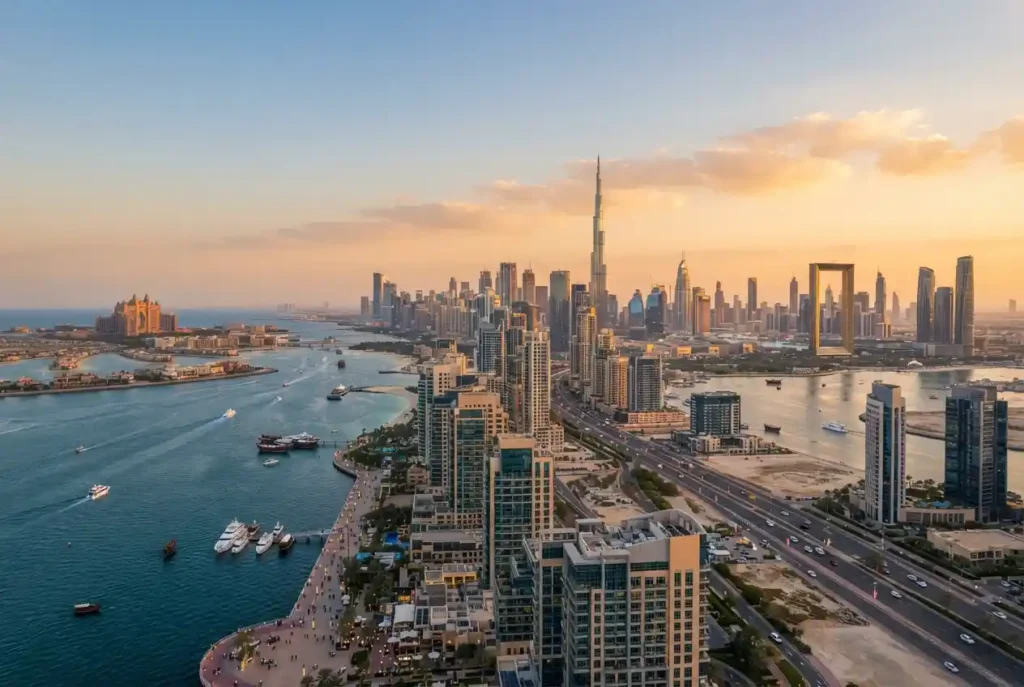
Dubai is a city of contrasts. Glass towers rise above historic neighbourhoods, luxury resorts sit beside long stretches of coastline, and traditional markets continue to operate within a city known for ambitious architecture and modern entertainment. For visitors trying to understand the destination quickly, focusing on the main Dubai highlights is one of the easiest ways to build a practical itinerary.
The city offers far more than a handful of famous landmarks. Its attractions can be grouped into several distinct experiences, including modern architecture, waterfront destinations, cultural areas, shopping districts, beaches and desert landscapes. The official Dubai tourism guide similarly presents the city through its landmarks, neighbourhoods, culture, beaches and desert experiences.
If you are planning your first visit, this guide covers the Dubai highlights that provide a broad introduction to the city’s character. For a more activity-focused itinerary, you can also explore our guide to the top things to do in Dubai.
1. Burj Khalifa
Burj Khalifa is the landmark most closely associated with Dubai’s modern skyline. At 828 metres, it remains the world’s tallest building and is one of the city’s most recognisable attractions. Its observation experiences provide sweeping views across Downtown Dubai and the wider urban landscape.
For first-time visitors, the building is particularly convenient because it sits in Downtown Dubai next to Dubai Mall. This makes it possible to combine a visit to the observation deck with shopping, dining and other attractions in the same area.
Clear weather can make a major difference to the views, so travellers who want panoramic photography should consider checking conditions before choosing their visit time.
2. Dubai Mall and Downtown Dubai
Downtown Dubai is one of the most useful areas to include in a first-time itinerary because several major attractions are concentrated around it. Dubai Mall adds shopping, restaurants and entertainment, while the surrounding district provides some of the city’s most recognisable urban scenery.
Even if shopping is not your main interest, the area is worth visiting for its overall atmosphere and easy access to Burj Khalifa. It is also a practical location for an evening visit when the skyline becomes particularly striking.
Travellers with limited time can combine Downtown with another nearby attraction rather than spending an entire day travelling between distant parts of the city.
3. Palm Jumeirah
Palm Jumeirah is one of Dubai’s best-known examples of large-scale development. The distinctive palm-shaped island extends into the Arabian Gulf and contains hotels, restaurants, beaches, leisure attractions and waterfront experiences.
Visitors can explore the island at ground level, enjoy its beaches and dining venues, or choose an elevated viewpoint for a broader perspective. The View at The Palm is one option for seeing the island’s distinctive shape and surrounding coastline from above. Official Dubai tourism information also highlights Palm Jumeirah as a major destination for attractions, beach clubs and dining.
Palm Jumeirah is especially useful for travellers who want to combine sightseeing with relaxation rather than moving continuously from one landmark to another.
4. Dubai Creek and Old Dubai
Dubai’s historic side becomes much more apparent around Dubai Creek. The waterway separates the traditional districts of Deira and Bur Dubai and remains one of the most atmospheric areas for visitors interested in the city’s earlier history.
A traditional abra ride across the creek is a simple way to experience the waterfront while moving between different parts of the historic district. Visitors can also explore nearby souks, traditional shops and heritage areas on foot.
The creek is particularly appealing around sunset, when the changing light creates a calmer atmosphere away from the city’s busiest modern districts. Visit Dubai describes the creek as an important part of the city’s historic character and recommends combining it with the surrounding old neighbourhoods and souks.
5. Al Fahidi Historical Neighbourhood
Al Fahidi Historical Neighbourhood offers a very different experience from the glass towers of Downtown. Its traditional architecture, narrow lanes and heritage atmosphere provide a glimpse into an earlier period of Dubai’s development.
This is one of the best Dubai highlights for travellers who want to understand more than the city’s luxury image. Walking through the area at a relaxed pace allows you to notice architectural details, courtyards and cultural spaces that can easily be missed during a fast-paced sightseeing tour.
The neighbourhood can be combined with Dubai Creek, the souks and other heritage attractions, making it an efficient choice for a half-day cultural itinerary.
6. Dubai Frame
Dubai Frame is another attraction that connects the city’s past and present. Located in Zabeel Park, its large frame-shaped structure creates panoramic views across different parts of Dubai.
One of its most interesting features is the visual contrast between older areas and the modern skyline. Rather than simply offering another high viewpoint, the attraction helps visitors see how dramatically Dubai has developed.
Dubai Frame is therefore a useful stop for travellers interested in architecture, city photography and the story of Dubai’s transformation.
7. Museum of the Future
The Museum of the Future has become one of Dubai’s most distinctive modern landmarks. Its unusual exterior makes it instantly recognisable, while the attraction itself focuses on themes surrounding technology, innovation and possible futures.
Its location along Sheikh Zayed Road also makes it relatively easy to include in an itinerary focused on Dubai’s modern architecture. The museum is particularly suitable for visitors who enjoy interactive exhibitions and technology-driven experiences.
Because admission and visiting arrangements can change, check the official information before travelling and plan around your selected entry time.
8. Dubai’s Beaches and Waterfront
Dubai’s coastline is another important part of the city’s appeal. Beaches provide a natural break from sightseeing and offer opportunities for swimming, relaxing, photography and watersports depending on the location and conditions.
Kite Beach is known for its watersports atmosphere, while other coastal areas offer restaurants, cafés and views of some of Dubai’s famous buildings. The choice of beach should depend on whether your priority is activity, relaxation, family time or photography.
Beach visits are particularly useful for creating balance in a busy itinerary. Instead of filling every day with indoor attractions and landmarks, a few hours beside the Arabian Gulf can make a trip feel considerably more relaxed.
9. Dubai Marina
Dubai Marina represents another side of the city’s modern waterfront. High-rise residential towers surround a marina lined with restaurants, cafés, walkways and leisure options, creating a very different atmosphere from Old Dubai.
A walk around the waterfront is an easy way to experience the district without committing to a full-day activity. Visitors can also combine the marina with nearby beach destinations or choose a boat experience for a different view of the skyline.
The area is especially appealing in the evening, when restaurants become busier and the illuminated towers create a distinctive cityscape.
10. Desert Landscapes
Although Dubai is famous for its skyscrapers and luxury developments, the desert remains an essential part of the destination’s identity. Travelling beyond the urban core reveals wide stretches of sand and a much quieter environment.
Desert experiences can range from traditional-style excursions to more adventurous activities such as dune driving and sandboarding. Visitors looking for a slower experience may prefer a sunset excursion or a nature-focused desert visit.
The desert is also an excellent contrast to the city’s modern attractions. After spending time among skyscrapers, malls and busy waterfront districts, the open landscape offers a completely different perspective on Dubai.
Dubai Main Attractions by Travel Interest
Not every traveller will want the same Dubai experience. Choosing attractions according to your interests can make your itinerary more enjoyable and prevent you from spending too much time travelling between unrelated places.
For first-time visitors
Start with Burj Khalifa, Downtown Dubai, Dubai Mall and Palm Jumeirah. These locations provide an introduction to the modern image for which the city is internationally known.
For culture and history
Prioritise Dubai Creek, Al Fahidi Historical Neighbourhood and the traditional souks. These areas provide a stronger connection to Dubai’s heritage and earlier trading culture.
For architecture lovers
Combine Burj Khalifa, Museum of the Future, Dubai Frame and the modern skyline around Sheikh Zayed Road. Dubai’s architecture is one of the most visible expressions of its rapid development, with landmarks ranging from record-breaking towers to highly distinctive contemporary buildings.
For beaches and relaxation
Build your itinerary around the coastline, Palm Jumeirah and Dubai Marina. This approach gives you more time to enjoy the waterfront instead of moving constantly between inland attractions.
For families
Families can mix major landmarks with entertainment attractions and indoor experiences. Dubai’s wide range of attractions means parents can adjust the itinerary according to children’s ages, interests and energy levels.
How Many Dubai Highlights Can You See in One Day?
It is possible to see several major landmarks in one day, but trying to visit every major attraction can make the experience tiring. A better strategy is to group destinations by location.
For example, Downtown Dubai can be combined with Burj Khalifa and Dubai Mall, while Old Dubai works naturally with Dubai Creek, Al Fahidi and the souks. Palm Jumeirah can be paired with Dubai Marina or nearby coastal attractions.
If your visit is limited to a single day, focus on two or three areas rather than attempting to cross the entire city. Our dedicated one day in Dubai guide can help turn these highlights into a more structured itinerary.
Tips for Exploring Dubai’s Main Attractions
Plan outdoor activities around comfortable weather and leave flexibility in your schedule for traffic, attraction entry times and unexpected delays. Popular paid attractions may require advance booking, particularly during busy travel periods.
It is also worth checking the location of each attraction before deciding what to visit on the same day. Dubai is geographically spread out, and an itinerary that looks simple on paper can involve considerable travel if destinations are poorly grouped.
Public transport, taxis and ride-hailing services can all be useful depending on the area. For visitors staying near a Metro station, the network can make several major districts easier to access.
Key Takeaways
The best Dubai highlights are not limited to one type of attraction. The city’s appeal comes from the contrast between modern landmarks, historic neighbourhoods, beaches, desert landscapes and lively waterfront districts.
For a well-rounded first visit, combine one or two iconic modern attractions with a cultural experience and some time outdoors. This approach lets you see the Dubai that appears in photographs while also discovering the places and experiences that give the city its distinctive character.
Before travelling, check official attraction information for current opening hours, ticket requirements and visiting arrangements. For an up-to-date overview of places to visit, you can also use the official Visit Dubai attractions guide.